

More families in Greater Lansing are exploring multi-generational housing as a way to support aging parents, help adult children, share costs, and stay connected—without sacrificing independence or long-term flexibility.
After more than four decades helping families navigate housing transitions, I’ve learned one important truth:
multi-generational living works best when it’s planned—not rushed.
This page is designed to help seniors, buyers, and adult children understand their options, ask the right questions, and make confident, informed decisions.
What Is Multi-Generational Housing?
Multi-generational housing refers to living arrangements where two or more adult generations—often parents, adult children, and sometimes grandparents—share one property or connected living spaces.
This may include:
-
Aging parents moving in with adult children
-
Adult children returning home
-
Families purchasing or modifying a home to support shared living
-
Long-term planning for future caregiving or lifestyle changes
For many families, it’s not just about housing—it’s about support, dignity, affordability, and planning ahead.
Why Greater Lansing Families Are Considering Multi-Generational Living
Families across Mid-Michigan are choosing this path for many reasons, including:
-
Rising housing costs and interest rates
-
A desire to support aging parents while preserving independence
-
Changing family dynamics and caregiving needs
-
Larger lots and flexible home styles in select communities
-
Wanting to plan ahead instead of reacting during a crisis
Multi-generational housing can be a great solution—but only when expectations, layout, and finances are carefully thought through.
Common Multi-Generational Home Layouts
Main-Level In-Law Suite
Ideal for aging parents who want accessibility without stairs while remaining part of the household.
Finished Lower Level with Kitchenette
Offers separation and privacy while staying under one roof.
Separate Entrance or Home Addition
Balances togetherness and independence with defined living spaces.
Accessory Dwelling Unit (ADU) or Backyard Cottage
Creates true separation while keeping family close.
Side-by-Side or Duplex-Style Living
Great for families seeking long-term flexibility and resale options.
Each option has advantages, challenges, and resale considerations—and not every layout works for every family.
Choose the Path That Fits Your Situation
🧓 For Seniors & Aging Parents
If you’re considering living with family, aging in place, or preparing your home for future needs, thoughtful planning is essential.
You may be asking:
-
Will I still have privacy and independence?
-
Is the home safe and accessible long-term?
-
Should I stay, downsize, or move in with family?
👉 Explore my [Senior Resource Hub] for guidance on aging-in-place, downsizing, safety considerations, and local support resources.
🏡 For Buyers & Families
If you’re buying or modifying a home to support shared living, there are important factors to consider before moving forward.
You may be asking:
-
Should we renovate or buy a different home?
-
What layouts work best long-term?
-
How does this affect resale value?
👉 Explore my Buyer Resource Hub for buyer checklists, home-search guidance, and planning tools tailored to multi-generational living.
Important Conversations to Have Before Moving In Together
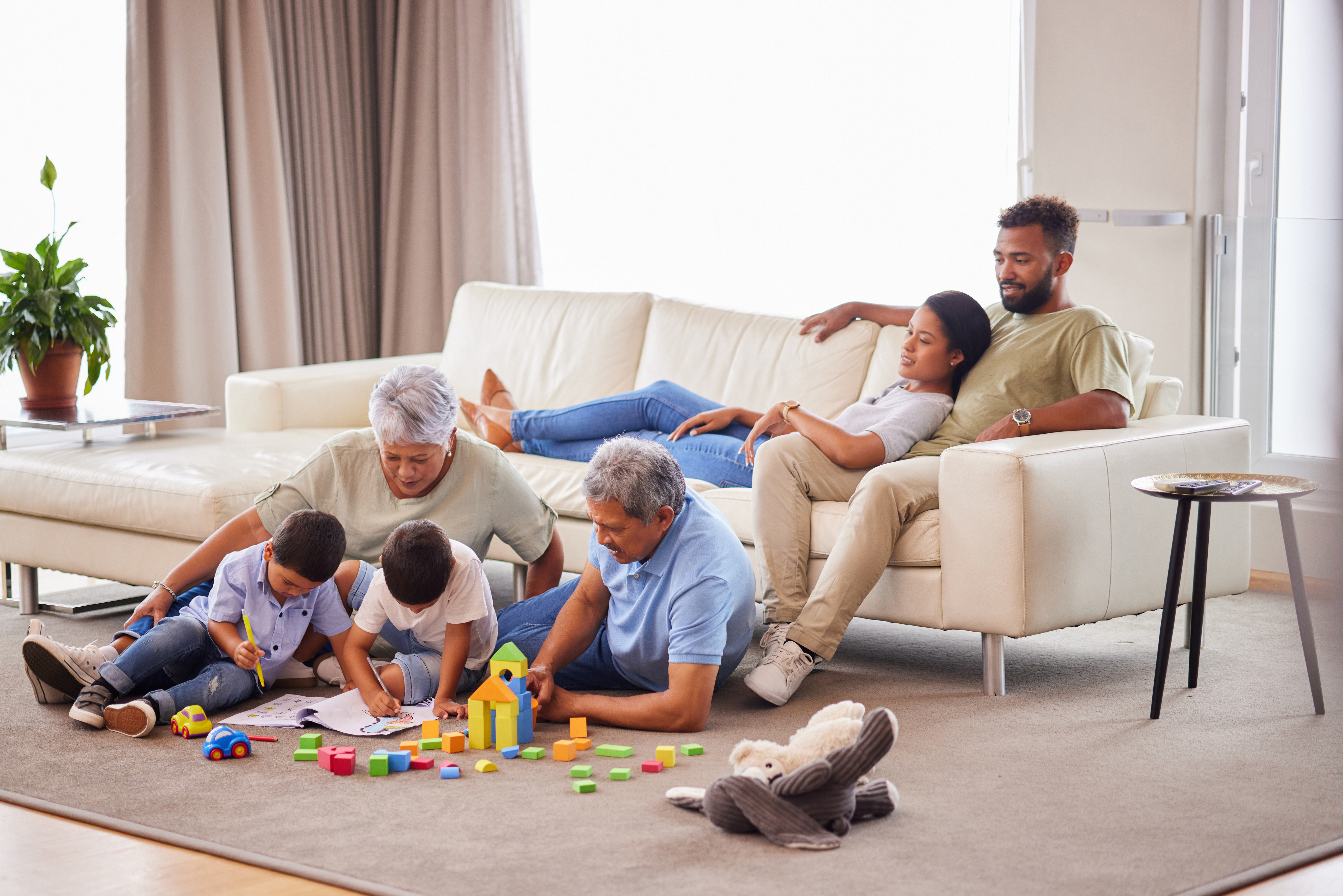
Successful multi-generational living depends on clear communication before housing decisions are made.
Families should discuss:
-
Privacy expectations and boundaries
-
Financial responsibilities and shared costs
-
Daily routines and caregiving roles
-
How space will be shared—or separated
-
Exit strategies if circumstances change
These conversations aren’t always easy—but they build clarity, trust, and long-term success.
Downloadable Planning Resources
To help families think things through clearly, I’ve created practical planning tools you can use together.
📄 Is Multi-Generational Living Right for Our Family?
A guided checklist covering:
-
Lifestyle compatibility
-
Space and privacy needs
-
Financial responsibilities
-
Short- and long-term planning
📄 Preparing a Home for Multi-Generational Living
A practical guide covering:
-
Safety and accessibility upgrades
-
Privacy and sound considerations
-
Parking and entry planning
-
Long-term resale considerations
Each resource is designed to start productive conversations and help families move forward with confidence.
Local Insight Matters
Multi-generational housing decisions aren’t one-size-fits-all. Local home styles, lot sizes, neighborhoods, and long-term market considerations all matter.
I work with families throughout:
Lansing • East Lansing • Delta Township • DeWitt • Grand Ledge • Holt • Mason • Haslett
Understanding local housing options—and limitations—can make a significant difference in choosing the right path.
Frequently Asked Questions
What qualifies as a multi-generational home?
Any home designed or adapted to support two or more adult generations living together, with shared or separate living spaces.
Does multi-generational housing affect resale value?
It can—positively or negatively—depending on layout, flexibility, and market demand. Planning with resale in mind is critical.
Is it better to renovate or buy a different home?
That depends on your timeline, budget, family dynamics, and long-term goals. Both options have advantages.
How do families split costs fairly?
Clear financial agreements—ideally discussed upfront—are essential to avoid stress later.
What if the arrangement no longer works?
Successful plans include exit strategies and flexibility from the start.
Let’s Talk Before Decisions Are Made
After helping Greater Lansing families navigate housing transitions for more than four decades, I’ve learned that the best outcomes come from thoughtful planning—not urgency.
If your family is exploring multi-generational housing, I’d be honored to help you think through your options with clarity and confidence.
What is multi-generational housing?
Multi-generational housing refers to living arrangements where two or more adult generations—such as parents, adult children, and grandparents—share a home or connected living spaces.
Why are more Greater Lansing families choosing multi-generational living?
Families are exploring this option to support aging parents, manage housing costs, stay connected, and plan proactively rather than making rushed decisions during a crisis.
What types of homes work best for multi-generational living?
Homes with in-law suites, finished lower levels, separate entrances, accessory dwelling units (ADUs), or flexible floor plans tend to work best.
Is it better to renovate an existing home or buy a different one?
That depends on budget, timeline, family needs, and long-term plans. Both options can work well when planned thoughtfully.
Does multi-generational housing affect resale value?
It can—positively or negatively—depending on layout, flexibility, and market demand. Planning with resale in mind is important.
How do families handle privacy and independence?
Successful arrangements clearly define living spaces, routines, and boundaries before moving in together.
How do families split costs fairly?
Clear financial conversations and expectations—ideally discussed upfront—help prevent misunderstandings later.
What happens if the living arrangement no longer works?
The strongest plans include flexibility and exit strategies so families can adjust if circumstances change.