Living in Downtown Lansing, Michigan
Riverfront living, local flavor, and the heart of the Capital City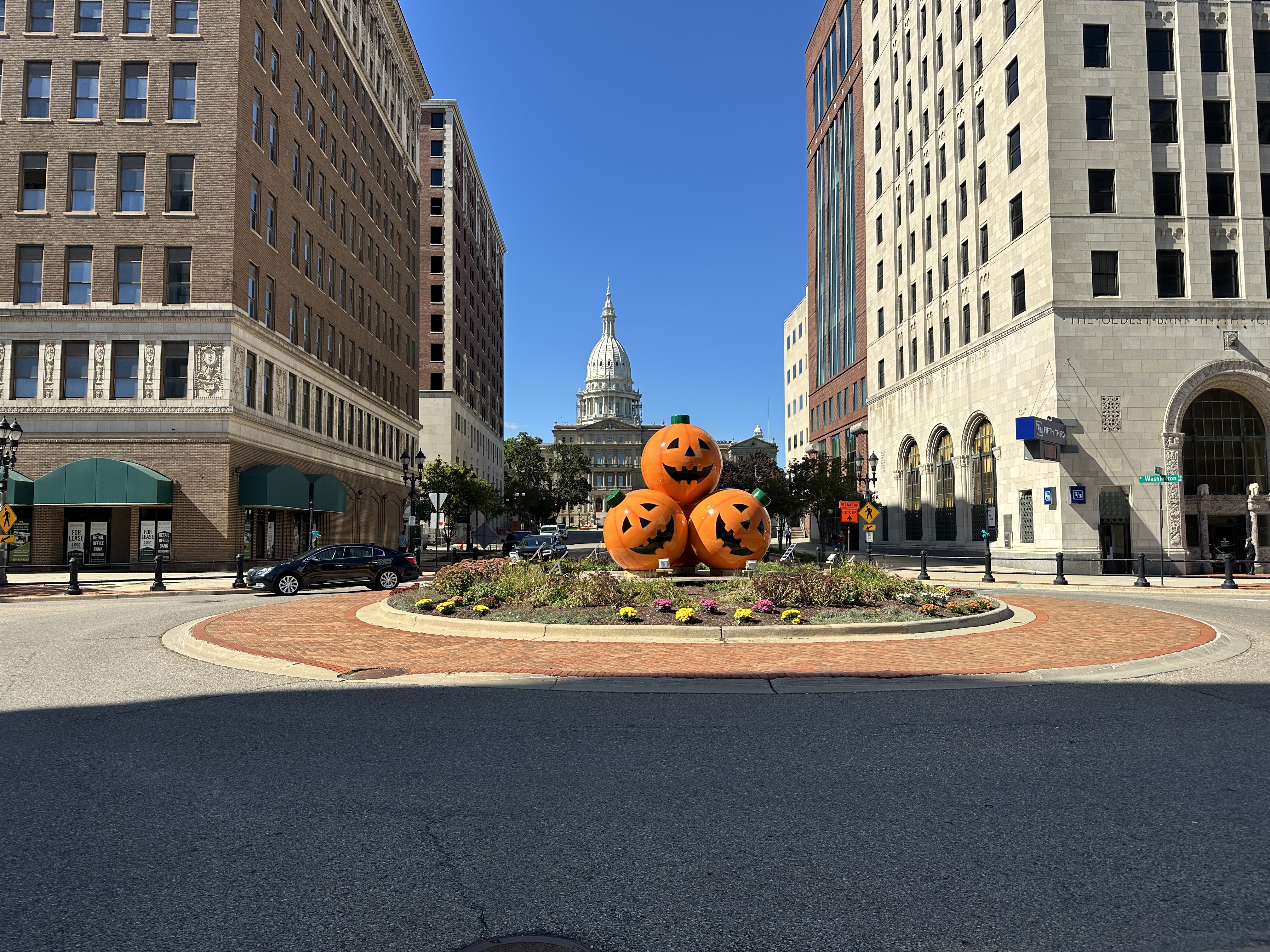
Downtown Lansing offers a different way to experience Greater Lansing. The Grand River, historic architecture, local restaurants, museums, and community gathering places bring everyday life into a setting with its own character.
Here, a walk can take you past Washington Square storefronts, toward the riverfront, or through the Stadium District. A visit downtown might include lunch at a longtime local favorite, an afternoon at a museum, or an evening watching the Lansing Lugnuts.
Whether you are considering a move, exploring housing options, or getting to know the area, this guide will help you look beyond the skyline and understand what living downtown could mean for your daily routine.

Get to Know Downtown Lansing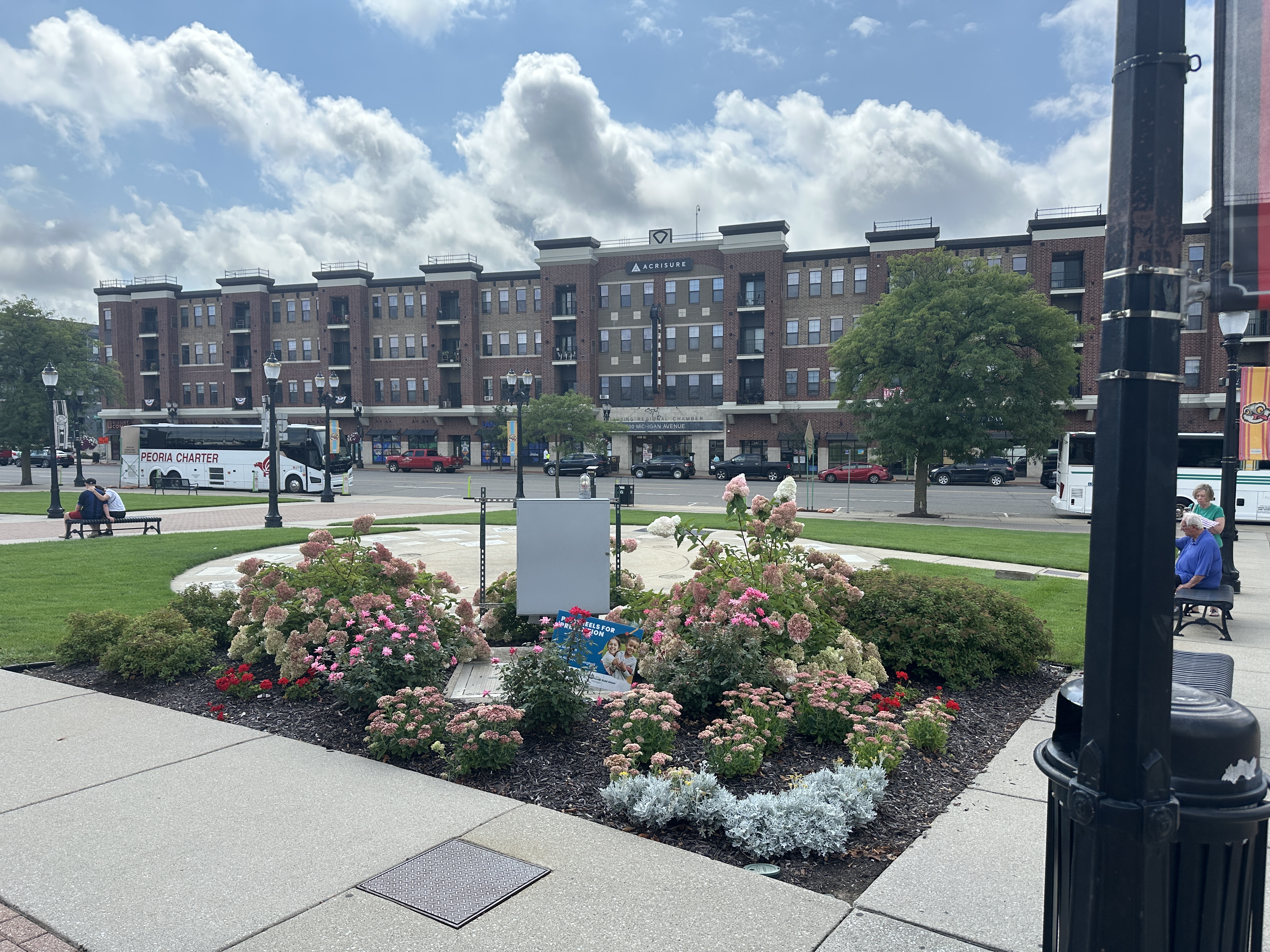
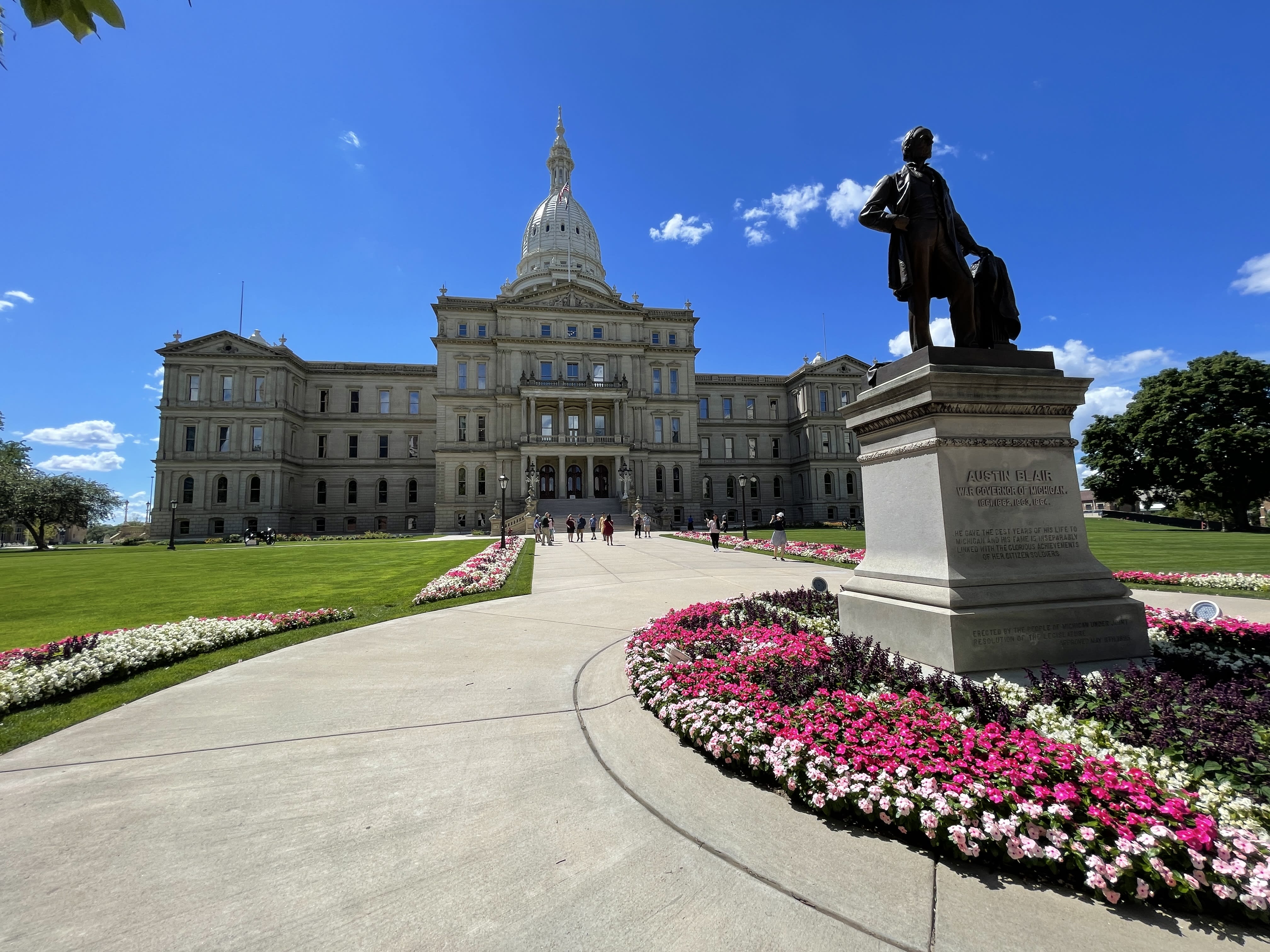
Downtown is anchored by the Michigan State Capitol, Washington Square, the Grand River, and the Michigan Avenue corridor leading into the Stadium District. Historic buildings, offices, shops, cultural attractions, and residential properties share this part of the city.
For this guide, the focus is the downtown core, riverfront, and adjoining Stadium District. Old Town to the north and REO Town to the south are nearby destinations with distinct identities. They add to the experience of living in Lansing, but deserve their own introductions.
The best way to explore downtown is to spend time in several parts of it. A riverfront setting, a home near the stadium, and a building along Washington Square can offer very different experiences.
Housing and Residential Options
Downtown's housing story includes apartment communities, loft-style residences, and buildings that combine residential and commercial uses. Redevelopment is also introducing additional apartments and converting some existing buildings to residential use.
It is important to distinguish rental housing from properties available to purchase. A building described as offering downtown living may be entirely rental housing. Buyers interested in a condominium or a home near downtown should begin with current listings and confirm ownership type, location, and property details.
Rather than relying on a broad downtown average, compare the specific options that fit your needs. Size, condition, parking, outdoor space, accessibility, and monthly expenses can make a substantial difference.
Before choosing a property, consider:
- Whether you want to rent or purchase.
- Parking arrangements for residents and guests.
- Steps, elevator access, and the route from parking to your front door.
- Storage, laundry, deliveries, and pet policies.
- Building maintenance responsibilities and any association fees.
- Street activity, nearby businesses, and sound at different times of day.
- Your actual routes to work, groceries, appointments, and recreation.
Developers and Residential Projects Shaping Downtown Lansing
Downtown Lansing's residential landscape includes established condominium ownership, rental communities, and new redevelopment projects. Understanding those differences is an important first step when exploring a move.
Stadium District Condominiums: An Established Ownership Option
The Stadium District building at 500 East Michigan Avenue, across from Jackson Field, is an established mixed-use development associated with Gillespie Group. The district's official housing guide describes the building as including both apartments and condominiums.
For buyers interested in owning downtown, this is a building to include in a property-specific search. Individual condominium resales depend on current inventory; the existence of condominiums in the building does not mean a unit is available today. Compare association fees, maintenance responsibilities, parking arrangements, building access, and unit-specific features before deciding.
New Vision Lansing: Gentilozzi Real Estate and JFK Investment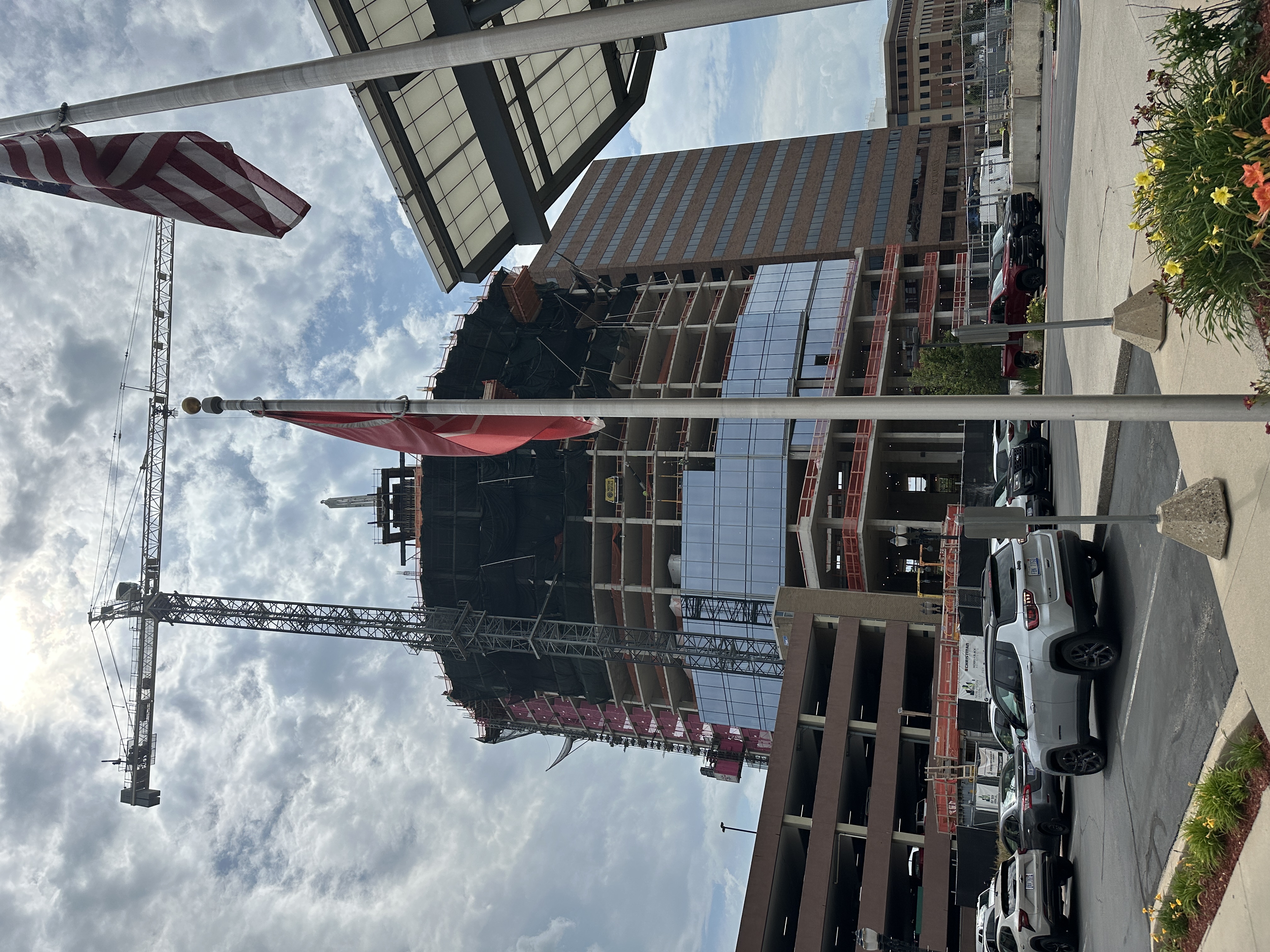
New Vision Lansing is a major redevelopment initiative led by Gentilozzi Real Estate, with JFK Investment identified as its partner by the Tower on Grand architect. Its downtown components include Tower on Grand, Washington Square, Capitol Tower, and the Ingham Building. The broader initiative also includes an Old Town component outside this guide's main area.
These projects combine new construction and the conversion of existing buildings to residential use. Published project descriptions identify apartments and rental housing, rather than confirmed condominium purchase offerings.
Tower on Grand is a particularly visible part of the planned change to Lansing's skyline. Project schedules and design details can evolve; check current project information rather than assuming all New Vision buildings will open together.
Granger Group: Proposed Downtown Investment
In an October 1, 2026 Lansing State Journal report by Rachel Greco, Gary Granger, founder and CEO of Granger Group and a Holt High School graduate, outlined downtown redevelopment ambitions totaling up to $400 million.
The report identifies four sites with different acquisition and planning stages:
- One Michigan Avenue: Purchased by Granger Group; planned upgrades and a rename to Granger Place, retaining office use with a possible restaurant.
- Michigan and Grand avenues: Company-owned vacant land where a mixed-use building with apartments is being considered.
- 113 North Washington Square: The former Kositchek's building was under contract, with closing still pending.
- 119 North Washington Square: Granger was pursuing the former YMCA building for possible housing alongside the Kositchek's site.
These are preliminary redevelopment plans. The report does not establish a condominium sales offering, final designs, or a firm construction schedule for the proposed housing.
Brick Row: Gillespie Group
Brick Row is Gillespie Group's redevelopment along the 600 block of East Michigan Avenue in the Stadium District. It brings together historic buildings, ground-floor commercial space, and upper-level apartments.
The apartment community's website advertises studio and one-bedroom rentals and an anticipated October 2026 opening. That is a published target, not confirmation that occupancy has begun. Brick Row offers another example of how existing downtown buildings can support both housing and local businesses.
Other Gillespie Group Communities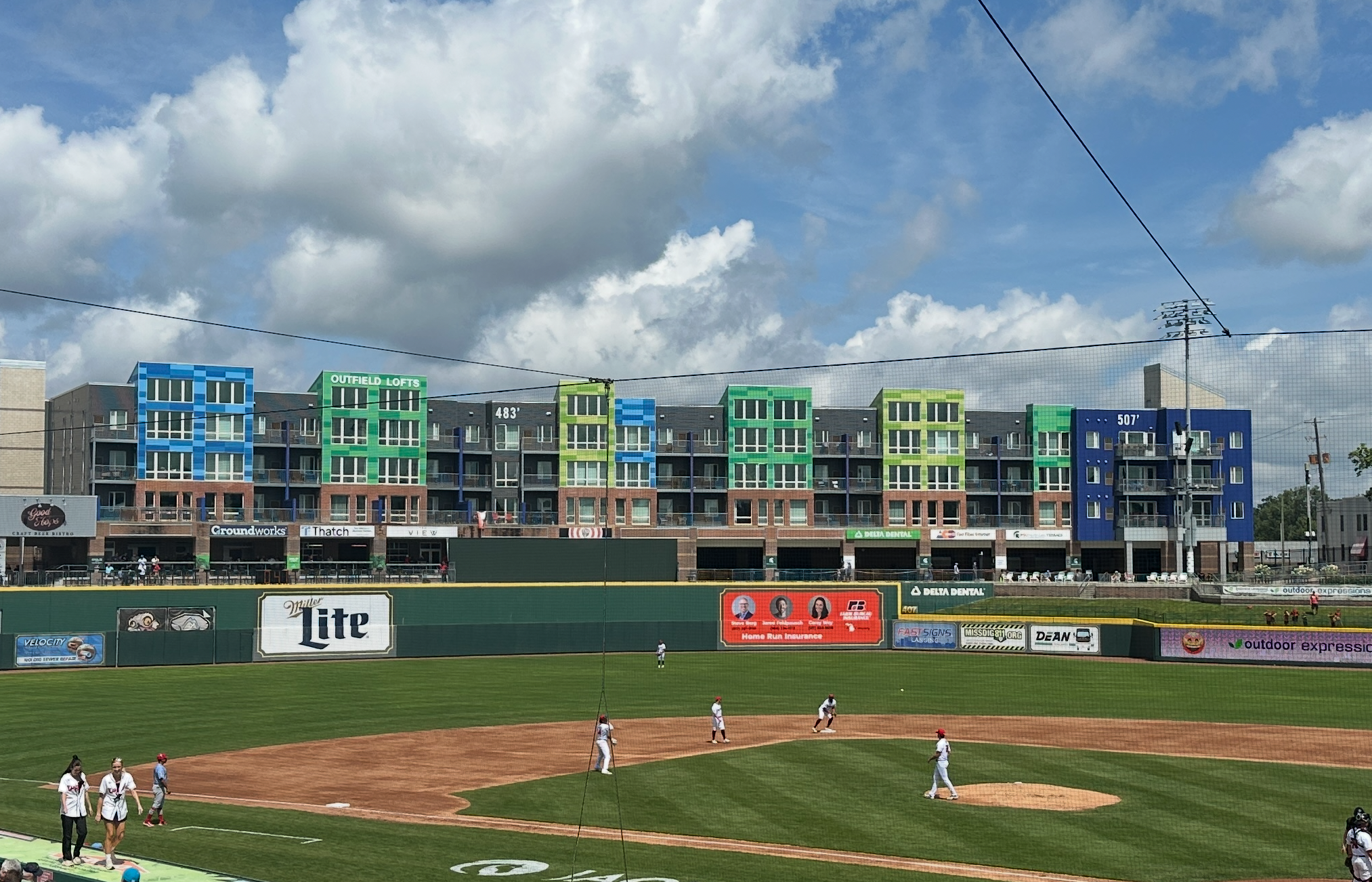
Gillespie Group's established downtown-area residential developments also include Marketplace Apartments, The Outfield Lofts, and BLOCK600. These are described as apartment or loft rental communities in the Stadium District's official housing guide.
Their settings differ: Marketplace connects with the riverfront, The Outfield is located at Jackson Field, and BLOCK600 includes convenient access to Capital City Market. These communities help illustrate the range of downtown rental settings; they should not be presented as condominium purchase opportunities without property-specific confirmation.
Capitol Walk Apartments: The Lawton Group
The Lawton Group, LLC, also identified as the developer behind Metro Place Apartments, is leading Capitol Walk Apartments, a proposed 124-unit workforce housing development on Chestnut Street.
Downtown Lansing Inc.'s February 2026 announcement described a brownfield approval process and a projected fall 2026 construction start. Treat it as a proposed apartment development until later approvals and construction progress are confirmed.
City View: WestPac Communities
City View, a WestPac Communities development along the 500 block of South Capitol Avenue, combines residential and commercial space. WestPac describes the development as comprising two buildings and 172 residential units.
City View is an established apartment option to explore when comparing downtown housing. Confirm current leasing information, parking, and building features directly with the property.
Knapp's Centre: Historic Redevelopment by The Eyde Company
Knapp's Centre, at 300 South Washington Square, is another important part of downtown's residential story. The Eyde Company redeveloped the historic department-store building into a mixed-use property that includes apartments and commercial uses.
Riverview 220 and Grand Vista Place: Lansing Housing Commission
Riverview 220 and Grand Vista Place are Lansing Housing Commission apartment developments that celebrated ribbon-cuttings in June 2026, according to Downtown Lansing Inc. These projects expand downtown rental housing, including income-restricted housing options.
Eligibility, application procedures, waiting lists, and availability should be checked with the housing provider. These are apartment developments rather than condominium purchase projects.
Thinking About Owning Downtown?
Start with a current search for condominium resales and other homes in or near downtown. New residential construction does not automatically create homes for purchase. I can help you identify ownership options and compare how each property fits your budget, daily routine, and next stage of life.
The Grand River and Lansing River Trail
The riverfront is one of downtown Lansing's defining features. The Lansing River Trail passes through downtown, offering opportunities to walk, bike, and enjoy views of the Grand River.
A riverfront outing can become part of an ordinary day: a short walk, a break outdoors, or time spent exploring another part of the city. Your experience will depend on where you live, your preferred access point, weather, and current trail conditions.
For anyone considering a downtown move, I recommend trying the routes you expect to use. A location that looks close on a map may feel different once you account for crossings, walking distance, and your own mobility needs.
Rotary Park and Riverfront Gathering Places
Rotary Park adds an inviting place to pause along the riverfront near the Lansing Center. The surrounding riverfront brings together outdoor space, the trail, and destinations such as Lansing Shuffle.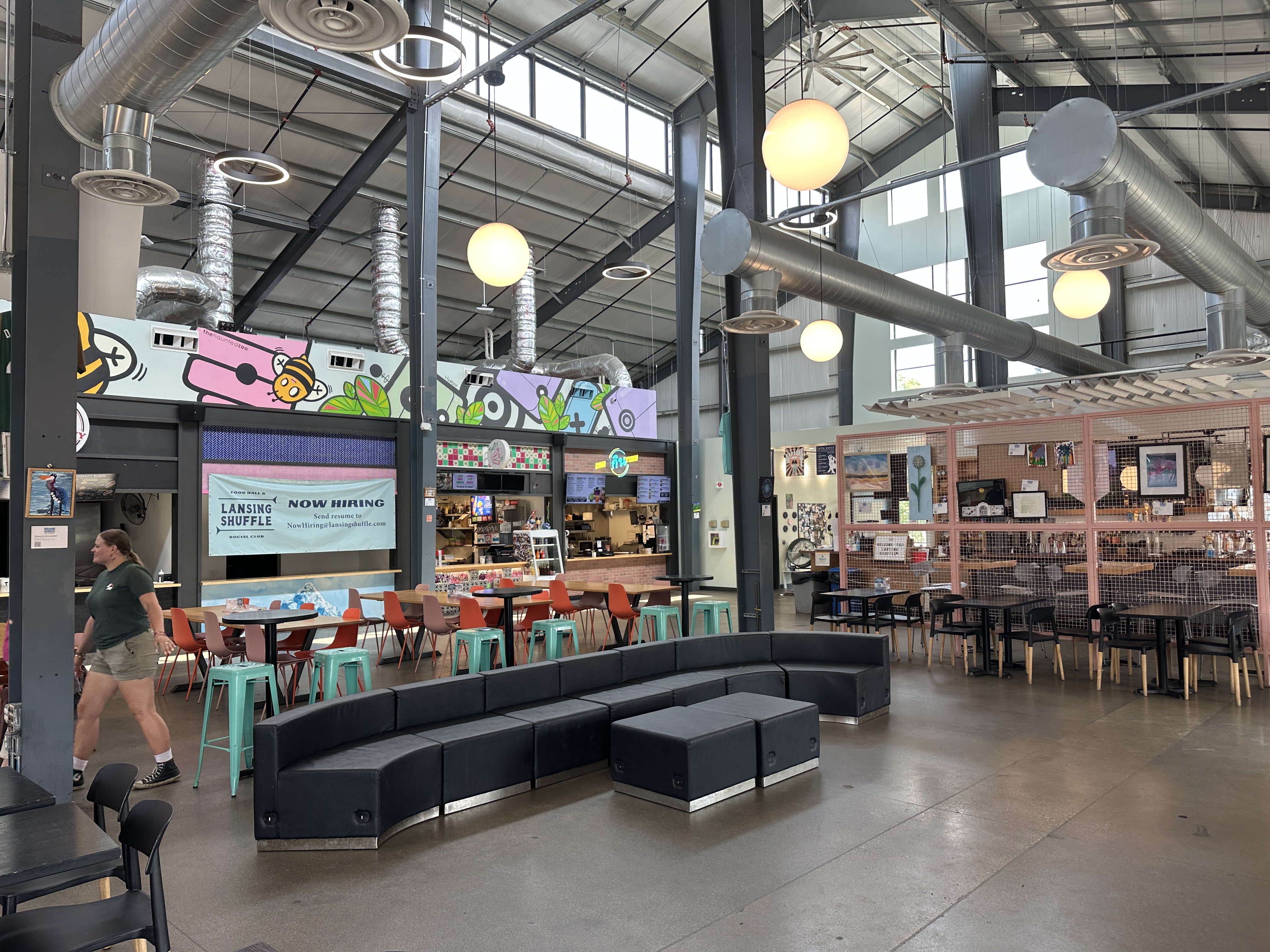
Sharon and I enjoy coming down to Rotary Park and the riverfront for a stroll. From time to time, we stop for lunch at Lansing Shuffle. It is one of the ways we enjoy downtown at our own pace—a walk along the water, something to eat, and time together.
Farther north, Play Michigan! provides a universally accessible playground and park at Grand Avenue and Saginaw Street. Adado Riverfront Park is another downtown outdoor destination associated with riverfront recreation and events.
These spaces help show that downtown is more than buildings and streets. Outdoor gathering places are an important part of its character.
Washington Square: Dining, Shopping, and Local Character
Washington Square is a natural starting point for exploring downtown's local businesses. Restaurants, coffee stops, specialty shops, and historic storefronts give visitors reasons to slow down and spend time here.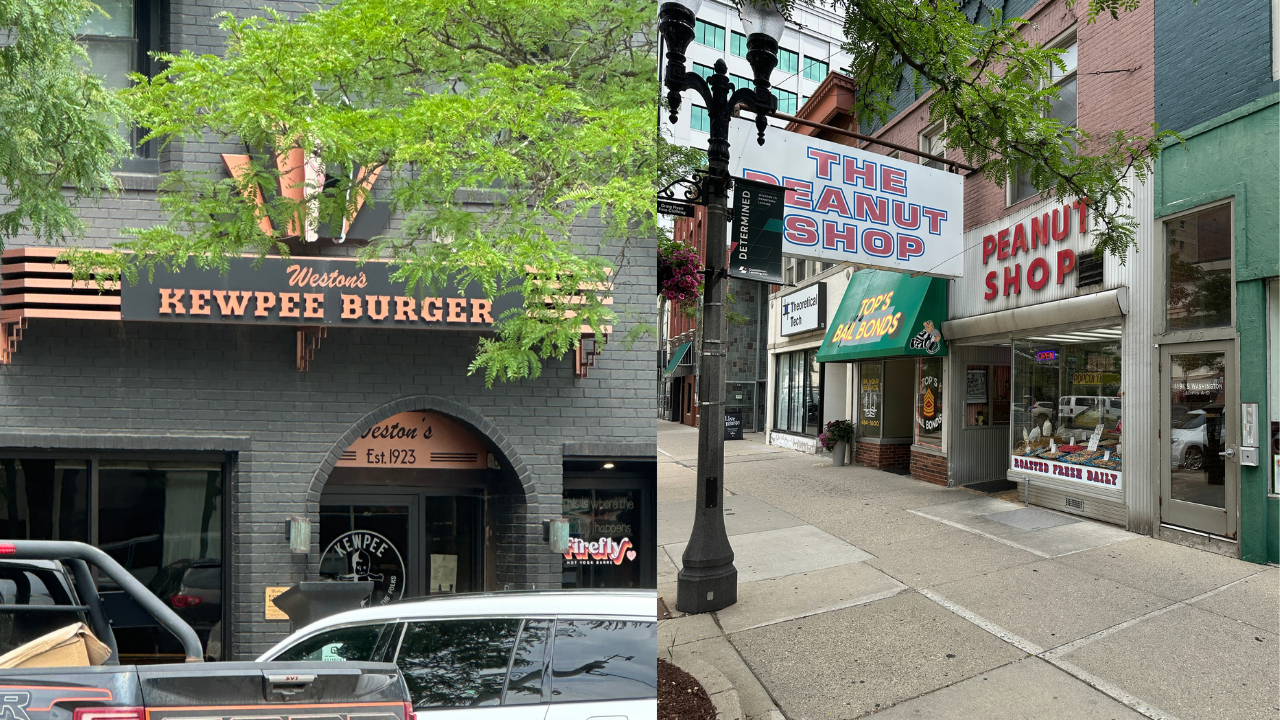
Downtown Lansing Inc.'s business directory includes longtime names such as Kewpee's Sandwich Shop and the Peanut Shop, along with businesses such as A Novel Concept and EnVie. The mix gives downtown a connection to its history while making room for new ideas.
One of my own downtown favorites is Kewpee. My article, More Than an Olive Burger, shares a closer look at this Lansing institution and the local story behind it.
The Peanut Shop is another favorite stop for Sharon and me. For us, a visit downtown often includes these familiar local businesses. They are part of what makes the experience personal and gives us reasons to return.
Business hours vary. If evening dining, weekend shopping, or a regular coffee stop matters to your routine, check the hours of the specific places you plan to visit.
The Stadium District and Lansing Lugnuts
The Stadium District brings another dimension to downtown living. Jackson Field, home of the Lansing Lugnuts, is a recognizable landmark along East Michigan Avenue.
The surrounding area includes housing, businesses, and Capital City Market, a neighborhood grocery destination. Together, they connect recreation with practical everyday needs.
If you are considering living near the ballpark, visit during an event and on an ordinary day. Compare traffic, parking, pedestrian activity, and sound so you understand how the location fits your preferences.
Museums, History, and Things to Explore
Downtown offers opportunities to enjoy Lansing's history and hands-on learning. Impression 5 Science Center on Museum Drive provides interactive science experiences, while the nearby R.E. Olds Transportation Museum connects visitors with the city's automotive heritage.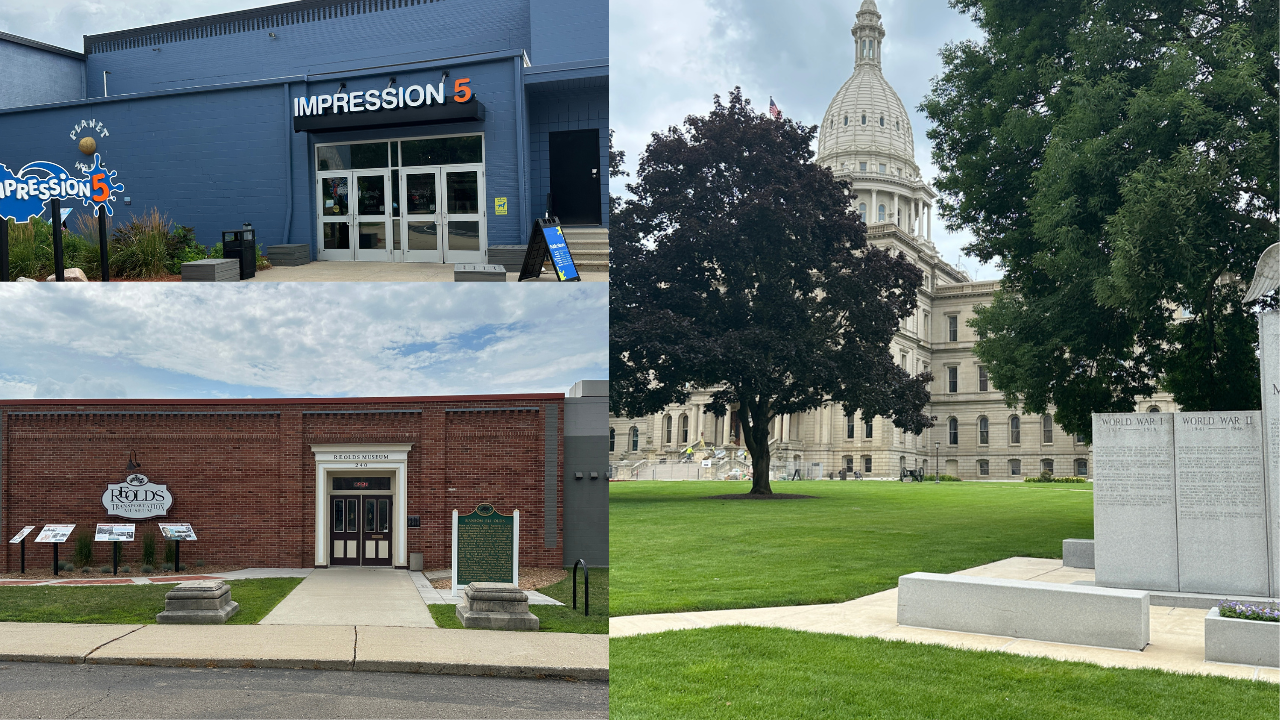
The Michigan State Capitol is also a major architectural and historic landmark. Near downtown's western side, the Michigan Library and Historical Center houses the Library of Michigan, Michigan History Museum, and Archives of Michigan.
Through our Certified Tourism Ambassador™ group, I recently toured Impression 5 Science Center and the Michigan Library and Historical Center. Seeing the updates at Impression 5 and exploring these local resources was a reminder that there is always more to discover close to home.
Over the years, the Capitol area has also been a favorite destination for our grandchildren. Downtown has been a place for our family to explore, spend time together, and make memories.
These destinations make downtown a place to revisit throughout the year. Check each attraction's current visitor information when planning an outing.
Community Connections and Downtown's Future
Downtown's future is being shaped by more than construction projects. Local businesses, community organizations, developers, and city leaders all contribute to its continued evolution.
The Lansing Regional Chamber of Commerce supports economic development and downtown revitalization, working with business and community partners to advance investment in the Capital City.
Downtown Lansing Inc. works to support local businesses, downtown development, and the experience of residents and visitors. Its Executive Director, Cathleen Edgerly, is a personal contact of mine. I value those local connections as I continue learning about downtown and sharing its story.
For anyone considering a move here, these organizations offer useful ways to follow business openings, community activities, and development news.
Community Events and Seasonal Experiences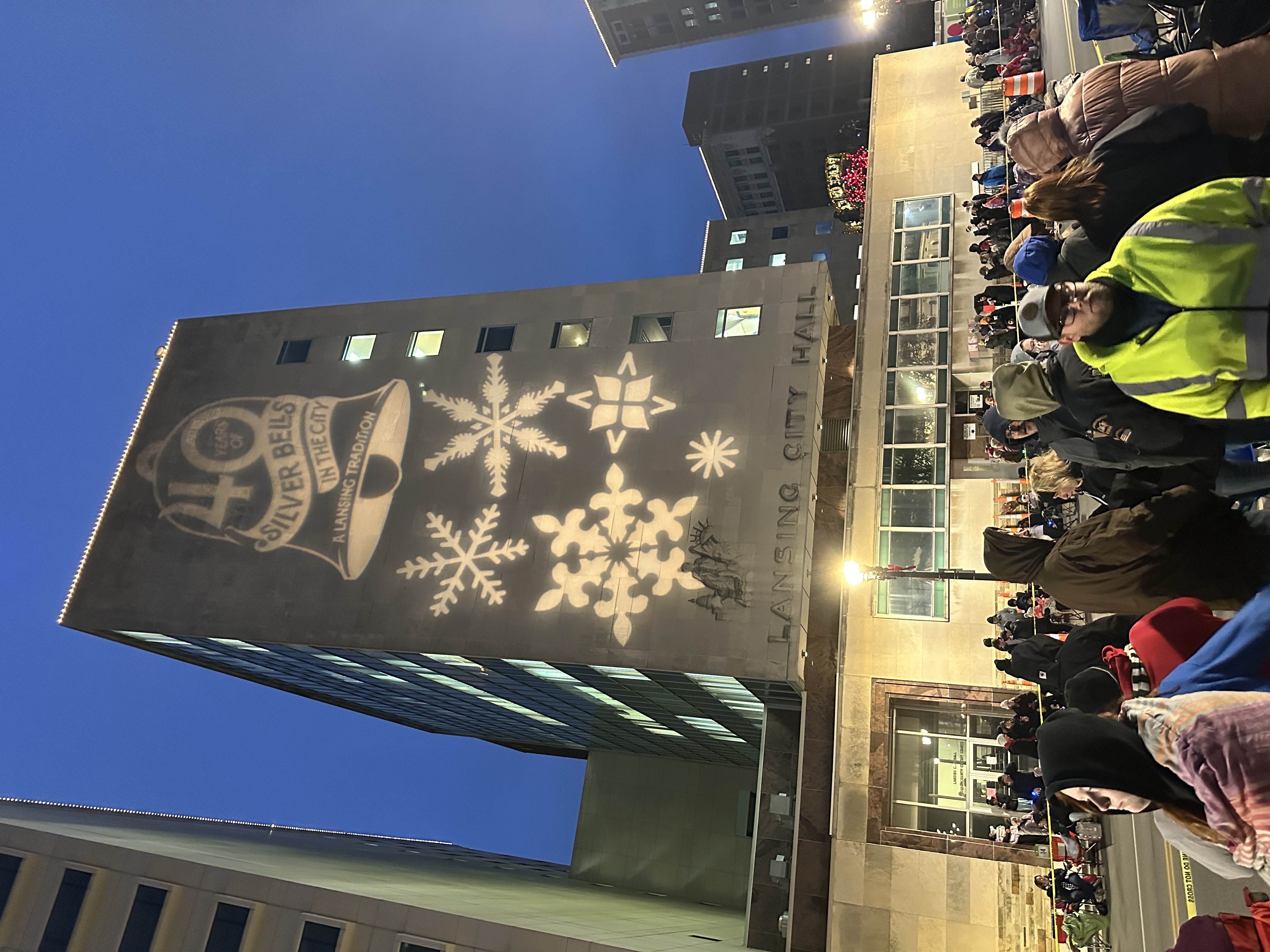
Downtown's calendar includes baseball, riverfront activities, business events, and seasonal celebrations. Silver Bells in the City is one of its well-known annual traditions.
Living near an event destination can make participation convenient. It also makes it useful to understand temporary street closures, parking changes, and the activity that comes with larger gatherings.
For current plans, consult Downtown Lansing Inc., Choose Lansing, and individual venue calendars rather than relying on last year's schedule.
Groceries, Transportation, and Everyday Conveniences
Capital City Market is an important grocery option in the Stadium District. Depending on your address and shopping preferences, other errands may still involve a drive or bus trip.
The CATA Transportation Center is located on South Grand Avenue downtown. CATA routes connect downtown with destinations across Greater Lansing, although the usefulness of a particular route depends on your destination and schedule.
Before deciding how much you will rely on a vehicle, try your actual trips. Consider grocery bags, winter conditions, evening appointments, and the walking distance between your home and a bus stop.
Parking deserves the same attention. Ask whether a space is included, reserved, covered, or available for an additional charge, and understand how visitors will park.
Education, Library Resources, and Healthcare Access
Lansing Community College's Downtown Campus adds an educational presence to the area. Capital Area District Libraries' Downtown Lansing branch provides another local resource for learning, reading, and community programs.
Households researching K–12 education should verify school assignments and enrollment options directly with the district for the specific property they are considering.
University of Michigan Health-Sparrow Lansing is located east of the downtown core along Michigan Avenue. When comparing housing, consider the route to your own healthcare providers, pharmacies, and other regular appointments.
Considering Downtown for Downsizing or a Life Transition
A move downtown may appeal to someone who wants less exterior maintenance, a different amount of space, or convenient access to selected activities. Whether it simplifies life depends on the particular home and building.
Look beyond square footage. Evaluate entrances, elevators, bathroom layout, storage, parking, and the distance to the places you use regularly. A smaller home can still create challenges if the layout or access does not fit your needs.
As an SRES® designee (Senior Real Estate Specialist), I help clients evaluate housing choices in the context of their next stage of life. My approach begins with your priorities, your comfort, and the practical details of a move.
If selling your current home is part of that transition, we can coordinate preparation, timing, belongings, and the search for your next place through the Bowler Transition Path™.
Buying Near Downtown Lansing
Begin with the lifestyle you want and the properties actually available. Some buyers want to be close to the riverfront; others prioritize parking, outdoor space, or proximity to a particular destination.
For a condominium, review the association documents, monthly fees, maintenance responsibilities, and any rental restrictions. For a nearby house, examine condition, upkeep, and the total cost of ownership. These details help you compare choices on more than location alone.

Selling a Home or Condominium Near Downtown
Selling successfully begins with understanding your property's specific market. A downtown condominium, loft-style residence, and house near the downtown core should each be evaluated against appropriate comparable properties.
My approach combines pricing research, thoughtful preparation, and marketing that explains both the home and its location. Parking, layout, outdoor space, maintenance arrangements, and nearby amenities can all help buyers understand what your property offers.
If you are selling because of downsizing, relocation, or another life transition, we can build a plan around both the sale and what comes next.
Mike's Perspective
 My connection to downtown Lansing is personal as well as professional. Sharon and I enjoy the riverfront, lunch at Lansing Shuffle, and stops at the Peanut Shop. Our grandchildren have enjoyed the Capitol area over the years, and my Certified Tourism Ambassador™ activities continue to introduce me to more of the places and people that give Lansing its character.
Those experiences are part of what I bring to a conversation about living here. A home matters, and so does the everyday life around it—the places you enjoy, the routines you value, and the connections you make.
My advice is to explore it as you would actually live it. Visit the places you would use, walk the routes that matter to you, and spend time near a property at different hours. The goal is to understand how your next home will support your everyday life.
Frequently Asked Questions About Living in Downtown Lansing
What is Downtown Lansing known for?
Downtown Lansing is known for the Michigan State Capitol, Washington Square, the Grand River and Lansing River Trail, museums, local businesses, and the nearby Stadium District, home of the Lansing Lugnuts.
What types of housing are available downtown?
Downtown includes apartment communities, loft-style residences, and mixed-use residential buildings. Rental availability and homes available to purchase are separate markets. Check current listings and confirm the ownership type of any property you are considering.
Can I buy a home or condominium in Downtown Lansing?
Yes, established condominium ownership exists in the Stadium District building at 500 East Michigan Avenue. Whether a unit is available depends on current resale inventory. Many other downtown residential developments offer rental apartments, so confirm ownership type when comparing options.
Are the new downtown developments condominiums or apartments?
The major projects researched for this guide, including New Vision Lansing, Brick Row, and proposed Capitol Walk Apartments, are described as apartment or rental developments. They should not be assumed to offer condominiums for purchase. Confirm any ownership offering and current project status directly before making plans.
Is Downtown Lansing walkable?
Parts of downtown offer walking access to restaurants, attractions, and the riverfront. Practical walkability depends on your address, destination, crossings, weather, and mobility needs. Try your regular routes before selecting a home.
Are there groceries and public transportation downtown?
Capital City Market is a grocery option in the Stadium District. The CATA Transportation Center is downtown on South Grand Avenue, with bus connections across Greater Lansing. Check routes and schedules for your specific trips.
Is downtown worth considering for downsizing?
It may be worth considering if the housing and location fit your priorities. Compare maintenance responsibilities, total monthly costs, parking, storage, entrances, and elevator access. A smaller residence does not automatically mean an easier daily routine.
Are Old Town and REO Town part of this guide?
This guide focuses on the downtown core, riverfront, and adjoining Stadium District. Old Town and REO Town are nearby districts with their own identities and attractions.
How do I begin planning a move to or from Downtown Lansing?
Start with your timing, housing needs, budget, and whether you need to sell your current home. Mike Bowler can help you compare purchase options and create a plan for the real estate steps involved in your move.
Let's Talk About Your Next Move
Whether you are preparing to sell, exploring a home near downtown, or considering a change in lifestyle, you deserve clear information and a plan that fits your circumstances.
Let's discuss your priorities and the next step that makes sense for you.
Mike Bowler | Associate Broker | eXp Realty
SRES® • CRB® • ePRO® | Certified Tourism Ambassador™
Expect The Best.