

The real estate industry has talked for years about the coming “Silver Tsunami” — the massive wave of baby boomers expected to sell their homes as they retire, downsize, or transition to new living arrangements.
But what does that actually mean for today’s housing market?
A recent article on MSN, based on reporting by Melissa Dittmann Tracey, explores how this demographic shift is already reshaping housing — not always in the ways people expected. Let’s break down what’s really happening and what it means for homeowners, buyers, and families planning their next move.
What Is the “Silver Tsunami”?
The term refers to the aging of the baby boomer generation — one of the largest population groups in U.S. history — as they move into retirement and later life stages.
Because many boomers own homes (often with significant equity), their housing decisions have an outsized impact on supply, pricing, and housing trends nationwide.
And those decisions are complex.
Reality #1: Many Older Homeowners Are Staying Put
For years, analysts predicted a flood of homes hitting the market as boomers downsized. But that hasn’t happened at the scale many expected.
Many older homeowners are choosing to age in place — staying in their current homes for comfort, financial reasons, or lifestyle preference. Some also hesitate to move due to emotional ties or tax implications tied to selling long-held properties.
This helps explain why housing inventory has remained tight despite demographic expectations.
Reality #2: Downsizing Is Often Emotional — Not Just Financial
When moves do happen, they’re rarely simple real estate transactions.
For many longtime homeowners, selling isn’t just about square footage — it’s about memories, identity, and life transitions. Moving may involve decluttering decades of belongings, coordinating family decisions, or managing estate logistics.
That’s why more families rely on professionals such as senior relocation specialists, estate planners, and real estate agents experienced in later-life transitions.
In other words — these moves are deeply personal and require thoughtful planning.
Reality #3: Aging-in-Place Upgrades Are Reshaping Housing Demand
Even when homeowners don’t move, they often modify their homes.
Accessibility features like step-free entries, wider doorways, improved lighting, and safer bathrooms are becoming increasingly common. These upgrades help homeowners remain independent and safe as they age.
This trend is influencing remodeling decisions, home design, and even how buyers evaluate future livability.
Reality #4: Multigenerational Living Is Rising
Another major shift is how families live together.
More households are combining generations under one roof for affordability, caregiving, and connection. Multigenerational home purchases have reached record levels, with buyers seeking flexible layouts, dual suites, or accessory dwelling units.
This trend is changing what buyers look for — and what builders create.
Reality #5: The Biggest Impact May Be Wealth Transfer — Not Inventory
Perhaps the most important takeaway:
The “Silver Tsunami” may be more about wealth transfer than housing supply.
As older homeowners pass properties to heirs, many families keep those homes instead of selling them. That means fewer new listings — but a massive transfer of housing wealth across generations.
For younger households, inheritance is increasingly becoming a pathway to homeownership — but it doesn’t necessarily solve the broader inventory shortage.
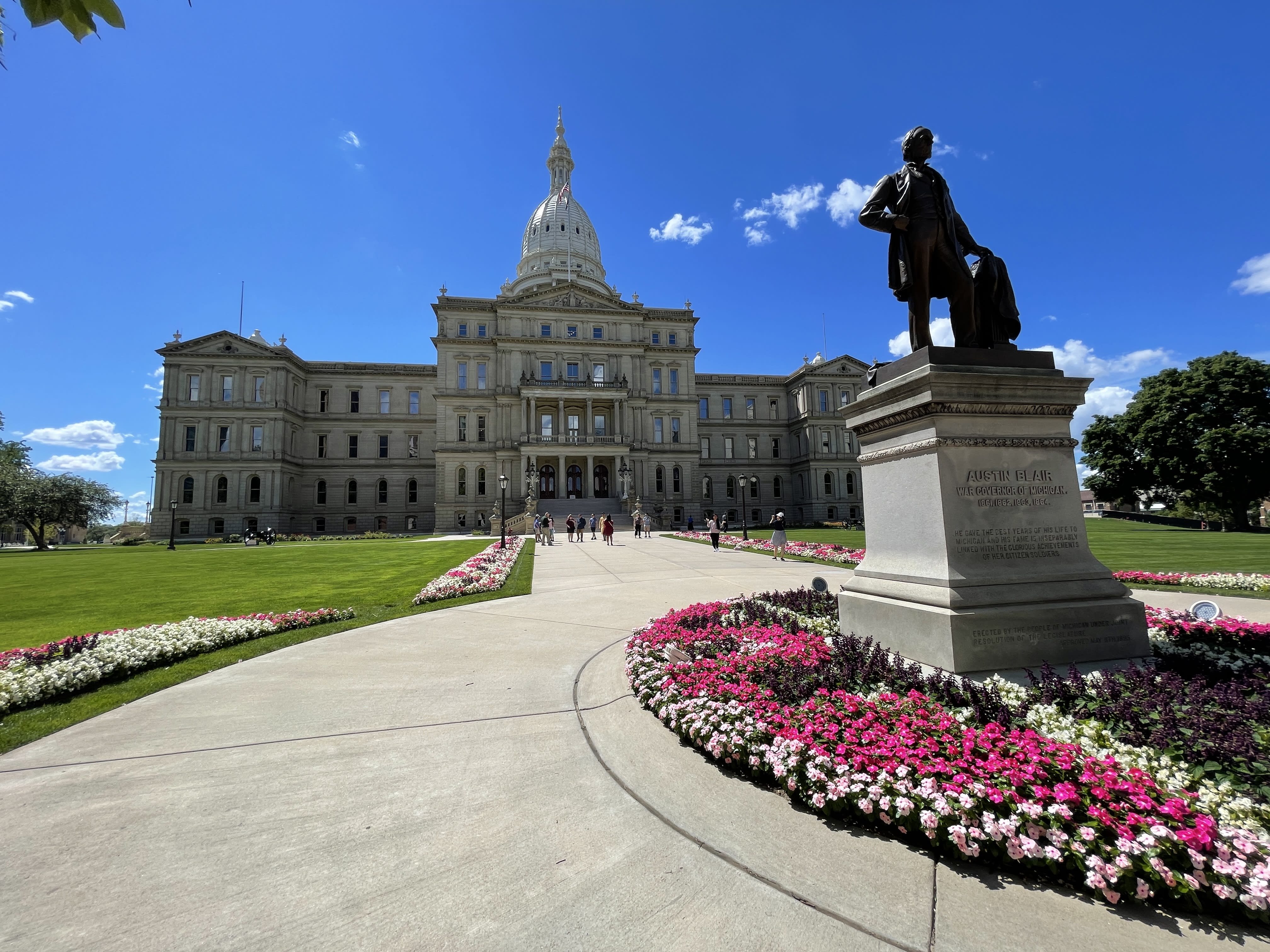
What This Means for Greater Lansing Buyers and Sellers
Here’s how these national trends show up locally:
✔ More long-time homeowners staying in place
✔ Growing interest in downsizing and rightsizing consultations
✔ Increased demand for accessible housing design
✔ More multigenerational home searches
✔ Rising need for estate and transition planning
In short — real estate is becoming more about life transitions than just transactions.
Why Planning Early Matters
Whether you’re thinking about downsizing, helping a parent transition, or planning for long-term housing needs, early preparation makes a significant difference.
Key planning steps often include:
-
Evaluating future accessibility needs
-
Understanding home equity options
-
Discussing family housing goals
-
Exploring downsizing timelines
-
Planning estate or inheritance decisions
Waiting until a health event or urgent life change can make decisions far more stressful.
Final Thoughts
The “Silver Tsunami” isn’t a sudden wave of homes flooding the market. It’s a long-term demographic shift reshaping how Americans live, move, and plan for the future.
Some homeowners will sell.
Some will renovate.
Some will share homes with family.
Many will stay right where they are.
But nearly all will influence the housing market in meaningful ways.
Understanding these trends helps families make smarter housing decisions — and helps communities prepare for what’s ahead.
Source Credit
Insights in this article are based on reporting by Kelly Grant, featured in the MSN Money article. “Real Estate and the Coming Silver Tsunami.”
Content has been summarized and interpreted for educational purposes and localized housing insight.