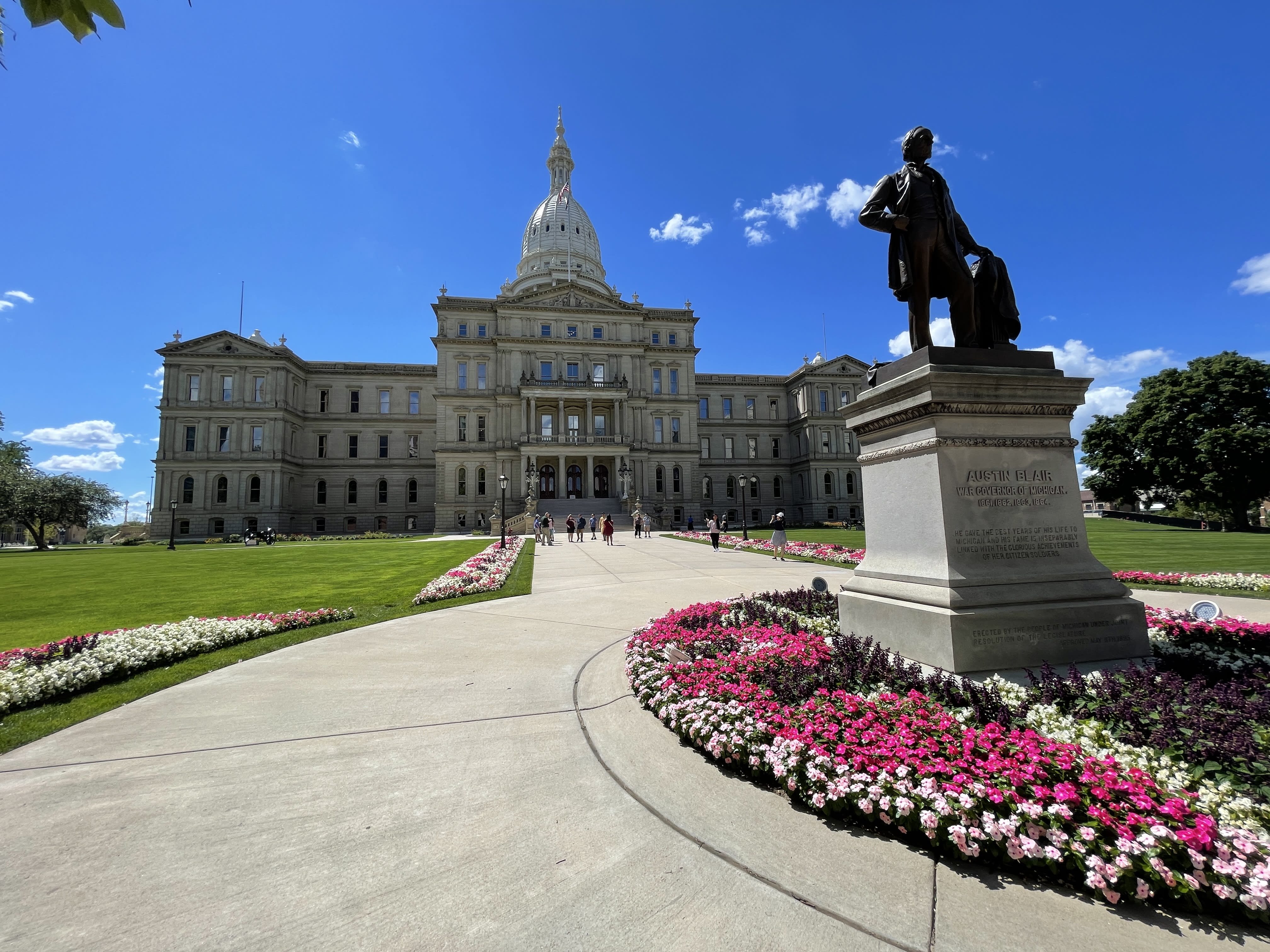
The True Cost of Buying a Home in Greater Lansing
What Every Home Buyer Should Budget Before Making an Offer
Buying a home is about much more than the monthly mortgage payment.
Many homebuyers focus on the purchase price and loan payment but overlook the ongoing costs of homeownership. Understanding these expenses before you make an offer can help you avoid financial surprises and enjoy your new home with confidence.
Whether you're buying your first home, relocating to Greater Lansing, or purchasing your next home, this guide will help you budget for the true cost of homeownership.
Why This Matters
Buying a home is one of the biggest financial decisions you'll ever make.
While your lender determines how much you can qualify for, only you can decide how much you can comfortably afford.
That's why I encourage buyers to look beyond the mortgage payment and understand every cost that comes with owning a home.
The goal isn't simply buying a house.
The goal is buying a home you can comfortably enjoy for years to come.
What Does It Really Cost to Own a Home?
Instead of thinking about one monthly payment, consider your complete housing budget.
Your Monthly Housing Costs
Mortgage Payment
Principal and Interest
The payment toward your home loan.
Property Taxes
Michigan property taxes are often one of the largest surprises for new homeowners.
We'll discuss why below.
Homeowners Insurance
Protecting your investment while satisfying lender requirements.
Utilities
Include:
- Electric
- Natural Gas
- Water
- Sewer
- Trash
- Internet
- Cable or Streaming
Older homes often have significantly higher utility costs.
HOA or Condo Association Fees
If applicable, understand:
- Monthly dues
- Reserve funds
- Special assessments
- What's included
Maintenance Savings
Experts often recommend setting aside money each month for future maintenance and repairs.
Michigan Property Taxes: What Every Buyer Should Know
Property taxes are one of the most important—and often misunderstood—costs of homeownership in Michigan. The amount a seller currently pays may not be what you pay after purchasing the property.
Understanding how property taxes are calculated and how they may change after a sale can help you budget more accurately and avoid unexpected surprises.
Before making an offer, take time to learn how Michigan's property tax system works and estimate your future tax obligation—not just the current owner's tax bill.
For a detailed explanation, read my guide on Michigan Property Tax Uncapping: What Every Home Buyer Should Know.
Hidden Costs Buyers Often Overlook
Include:
Roof replacement
HVAC systems
Water heaters
Appliances
Plumbing
Electrical repairs
Driveways
Decks
Tree maintenance
Lawn equipment
Snow removal
Window replacement
Painting
Carpet replacement
Pest control
Gutter cleaning
Landscaping
Don't Forget Closing Costs
In addition to your down payment, most home purchases involve closing costs that are paid when the transaction is completed.
These costs can include lender fees, title services, appraisal fees, prepaid taxes and insurance, recording fees, and other expenses associated with buying a home.
Understanding these costs early in the buying process can help you budget more accurately and avoid surprises at closing. Your lender and real estate professional can help you estimate your expected closing costs before you make an offer.
Monthly Home Maintenance Budget
Set aside money each month for future repairs and maintenance.
☐ Roof Replacement Fund
☐ Furnace & Air Conditioner
☐ Water Heater
☐ Plumbing Repairs
☐ Electrical Repairs
☐ Appliances
☐ Interior Painting
☐ Flooring Replacement
☐ General Home Repairs
Recommended Monthly Maintenance Savings: $____________
Outdoor Expenses
☐ Lawn Care
☐ Fertilizer
☐ Landscaping
☐ Tree Trimming
☐ Snow Removal
☐ Gutter Cleaning
☐ Exterior Pressure Washing
☐ Sprinkler System Maintenance
Annual Home Expenses
☐ HVAC Service
☐ Chimney Inspection (if applicable)
☐ Pest Control
☐ Smoke & Carbon Monoxide Detector Batteries
☐ Window Cleaning
☐ Driveway or Walkway Repairs
☐ Deck or Fence Maintenance
☐ Roof Inspection
Emergency Repair Fund
Unexpected repairs happen to every homeowner.
Be prepared for expenses such as:
☐ Furnace Failure
☐ Air Conditioner Replacement
☐ Roof Leak
☐ Water Heater Failure
☐ Appliance Replacement
☐ Plumbing Emergency
☐ Sewer Line Repairs
☐ Storm Damage
Emergency Savings Goal:
$______________________
Before You Make an Offer
Ask yourself:
☐ Can I comfortably afford the total monthly housing cost?
☐ Have I estimated future property taxes?
☐ Have I reviewed average utility costs?
☐ Do I understand any HOA fees and special assessments?
☐ Have I budgeted for routine maintenance?
☐ Do I have an emergency repair fund?
☐ Will this home still fit my needs in 5–10 years?
☐ Am I leaving room in my budget for vacations, retirement, hobbies, and other financial goals?
Frequently Asked Questions About the True Cost of Buying a Home in Greater Lansing
1. How much should I budget beyond my mortgage payment?
Your monthly mortgage payment is only one part of the cost of homeownership. Buyers should also budget for property taxes, homeowners insurance, utilities, routine maintenance, lawn care, snow removal, HOA dues (if applicable), and an emergency repair fund. Planning for these expenses can help you enjoy homeownership without unexpected financial stress.
2. Will my Michigan property taxes increase after I buy a home?
Possibly. In Michigan, a property's taxable value may be "uncapped" when ownership transfers, which can result in higher property taxes than the previous owner paid. Before making an offer, it's important to estimate what your future property taxes may be rather than relying solely on the current tax bill.
3. How much should I save for home maintenance?
A common guideline is to budget approximately 1% to 2% of your home's value each year for maintenance and repairs. Some years you may spend very little, while other years you may need to replace a roof, furnace, water heater, or major appliance. Setting aside money each month can help you prepare for these expenses.
4. Are HOA fees included in my mortgage payment?
Not always. Some lenders collect HOA dues through your monthly payment, but many do not. Before purchasing a home or condominium with a homeowners association, be sure you understand the monthly dues, what services are included, and whether there are any planned special assessments.
5. Should I buy the most expensive home I qualify for?
Not necessarily. Just because a lender approves you for a certain loan amount doesn't mean you should spend the maximum. Choosing a home that comfortably fits your overall budget allows you to save for retirement, travel, emergencies, and other financial goals while enjoying homeownership with less stress.
6. What utility costs should I expect when buying a home?
Utility costs vary depending on the home's size, age, insulation, heating system, and energy efficiency. Buyers should ask about average monthly costs for electricity, natural gas, water, sewer, trash service, internet, and other utilities before making an offer whenever possible.
7. What unexpected expenses do new homeowners often face?
Common unexpected expenses include roof repairs, furnace or air conditioning replacement, plumbing repairs, appliance failures, water heater replacement, storm damage, sewer line repairs, tree removal, and emergency home repairs. Having an emergency savings fund can help reduce financial stress when these situations occur.
8. How much should I budget for closing costs?
Closing costs typically range from approximately 2% to 5% of the home's purchase price, although the exact amount varies depending on your loan, lender, prepaid expenses, and local transaction costs. Your lender will provide a Loan Estimate outlining your expected closing costs before you close on your new home.
9. Is buying a home still better than renting?
The answer depends on your personal goals, financial situation, and how long you plan to stay in the home. Homeownership allows you to build equity, enjoy greater stability, and potentially benefit from long-term appreciation. Renting may offer greater flexibility but does not build ownership in a property. A buyer consultation can help determine which option best fits your circumstances.
10. Should I wait for mortgage rates to come down before buying?
No one can accurately predict future mortgage rates. Waiting may result in lower rates, but it could also mean higher home prices or increased competition. Rather than trying to time the market, many buyers find greater success by purchasing when they are financially ready and choosing a home they can comfortably afford.
11. How can I estimate the true monthly cost of owning a home?
Start by adding together your projected mortgage payment, property taxes, homeowners insurance, utilities, HOA dues (if applicable), and a monthly maintenance savings amount. This provides a more realistic picture of your total monthly housing costs than looking at the mortgage payment alone.
12. What is the best first step before starting my home search?
Meet with an experienced real estate professional and a trusted lender to discuss your budget, financing options, and long-term goals. Understanding the complete cost of homeownership before you begin touring homes will help you make confident, informed decisions throughout the buying process.
13. How much house can I really afford?
The amount you qualify for and the amount you can comfortably afford are not always the same. Consider your income, monthly expenses, savings goals, future maintenance costs, property taxes, insurance, and emergency reserves before deciding on a purchase price. Buying within your comfort zone can help you enjoy homeownership while maintaining financial flexibility.
Mike's Homeownership Tip
Don't buy the most expensive home you qualify for—buy the home you can comfortably enjoy.
A realistic budget includes more than your mortgage payment. Planning for taxes, insurance, utilities, maintenance, and unexpected repairs can help you avoid financial stress and enjoy homeownership with confidence.
Mike Bowler SRES, CRB, ePRO
eXp Realty LLC
517-755-8168
6639 Centurion Dr. Lansing, MI
Mike@MikeBowler.com
Website: MikeBowler.com
Visit My YouTube Channel
https://bit.ly/eXpRealtyMikeBowler
Founder | Greater Lansing Home Transition Resource Center