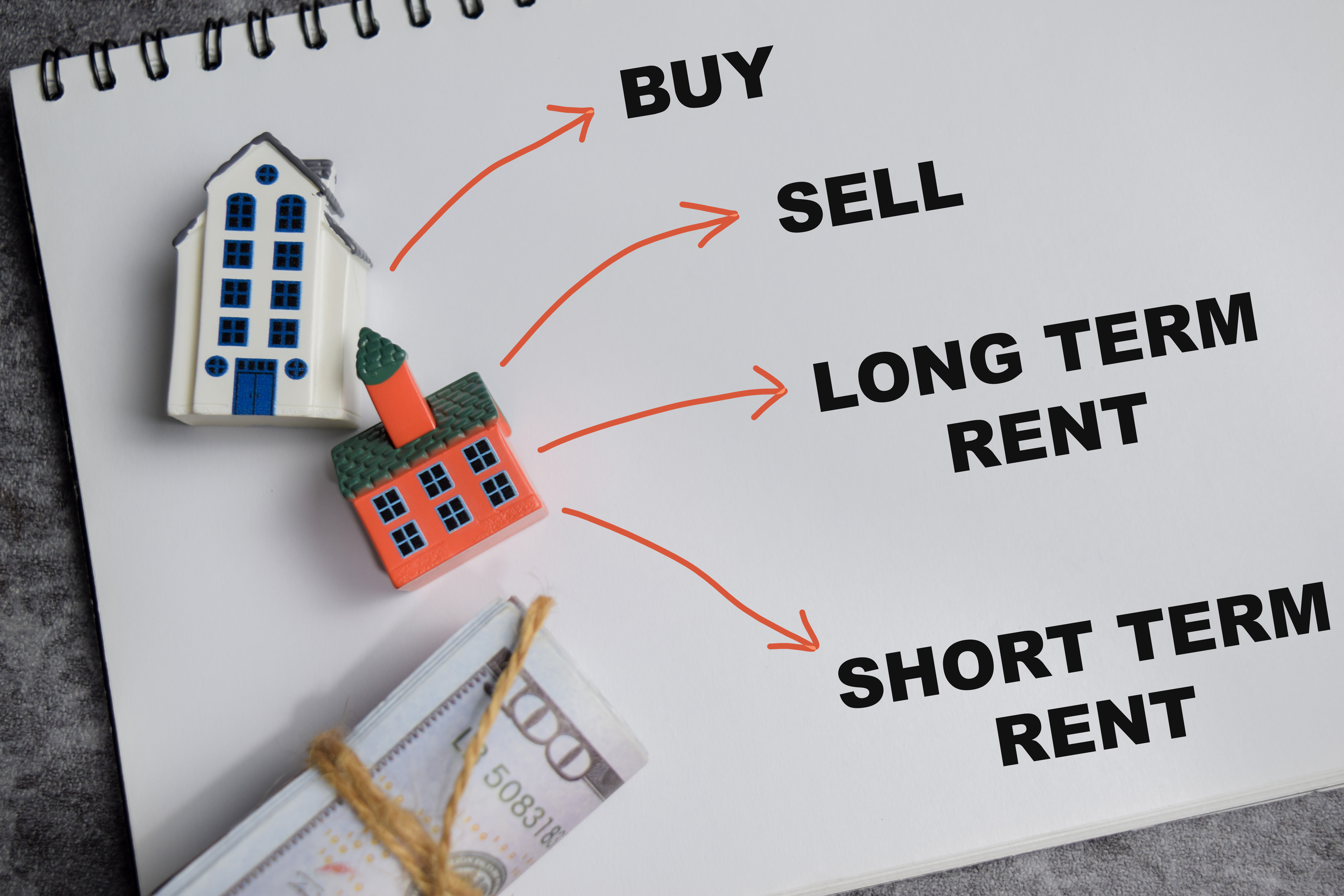


Buying another home is one possibility. Renting—or taking more time to decide—deserves consideration too.

When homeowners begin thinking about selling, one question often stops the conversation:
“Where would we go?”
It is a reasonable question, especially after years in a home filled with familiar routines, belongings, and memories. But you do not need to have your next home selected before you begin exploring your options.
You have permission to consider selling without committing to buying again.
For some people, purchasing another home makes sense. For others, renting offers the flexibility and freedom they want. And sometimes, exploring the possibilities leads to a decision to stay in the current home longer.
My role is to help you understand those choices and develop a plan that fits your life.
Start With the Life You Want
Before comparing rental listings and homes for sale, consider what you want your next chapter to look like.
Would you like fewer rooms to maintain? Less yardwork? A location closer to family, friends, or activities? Would a home with fewer stairs make daily life easier? Are you ready for a permanent move, or would you appreciate some flexibility?
Sharon and I have gone through downsizing ourselves. I understand that these decisions involve much more than square footage. They involve deciding what to keep, what to leave behind, and what you want your days to feel like.
Start there. The housing choice should support the life you want.
Option One: Sell and Rent
Renting after years of ownership can feel unfamiliar. Yet it deserves a fair look.
Depending on the property and lease, renting may reduce your responsibility for repairs, lawn care, and snow removal. It can also give you time to explore a community or housing arrangement before making a longer commitment.
Selling and renting may appeal to someone who wants to:
-
Simplify household responsibilities.
-
Try a new location before purchasing.
-
Keep more of their sale proceeds available for other needs.
-
Allow time to consider future housing preferences.
There are tradeoffs to examine. Rent may increase at renewal. Rules may limit pets or changes to the property. Your ability to remain depends on the lease and renewal terms. Maintenance service, fees, and included services vary.
The goal is to understand the arrangement before deciding whether it fits.
Two Bedrooms Can Mean Very Different Things
A conventional two-bedroom apartment and a two-bedroom ranch rental with an attached garage offer different living experiences.
For example, Redwood offers two-bedroom, two-bath ranch layouts with attached two-car garages. Those features help explain why its rents can be higher than those of conventional apartments.
For a homeowner leaving a longtime residence, single-story living, a private entrance, and direct access from the garage may be important considerations.
That is why a useful comparison goes beyond the number of bedrooms. Consider the layout, storage, parking, stairs, outdoor space, and services included.
Compare the features you want—and the full cost of having them.
Option Two: Sell and Buy a Home That Fits Better
You may enjoy owning a home while wanting something more manageable.
A smaller ranch, condominium, or another thoughtfully chosen property may offer the location and features you need while allowing you to continue owning.
The purchase price is only part of the discussion. We also need to consider property taxes, insurance, maintenance, any mortgage payment, and applicable association fees. For a condominium, association responsibilities, financial information, and potential assessments deserve attention.
Sale proceeds may give you flexibility in how you purchase. But deciding how much to put into another home should also account for the funds you want available for living expenses, emergencies, and other priorities.
The objective is a home you can enjoy and comfortably maintain.
Option Three: Rent While You Decide
You may feel ready to leave your current home without being ready to choose a permanent destination.
A rental can provide time to learn what works for you. You might discover that you need less space than expected—or that an extra room, attached garage, or particular location matters more than you realized.
This approach requires planning. An additional move, storage, lease commitments, and moving expenses can add to the cost.
Still, for some households, having time to make a considered decision is worth exploring.
Option Four: Explore Other Living Arrangements
Your next step might involve moving closer to family, sharing a home with relatives, or considering an independent living community.
Each arrangement raises different questions about privacy, expenses, responsibilities, services, and future needs.
An independent living community may include services that a conventional rental does not. Compare what is included before comparing monthly prices.
If you are considering living with family, discuss expectations early. Clear conversations about space, finances, household responsibilities, and changing needs can help everyone make a more informed decision.
Option Five: Stay and Prepare
Exploring a sale does not obligate you to move.
You may decide that your current home still works, especially with a few changes. Decluttering, addressing maintenance, or improving everyday accessibility may help you remain comfortable while preparing for a future transition.
Planning now can give you more time to make decisions at your own pace.
You can gather information, understand your home’s likely market position, and explore alternatives without setting a listing date.
Put the Numbers Beside the Lifestyle
A useful renting-versus-buying comparison starts with actual housing choices in the communities you are considering.
For a rental, review the rent, utilities, required fees, insurance, parking, deposits, and lease terms.
For a purchase, review the purchase funds needed, financing if applicable, taxes, insurance, maintenance, association obligations, and transaction costs.
Then consider the questions that a spreadsheet cannot fully answer:
How much responsibility do you want? How long do you expect the home to meet your needs? What location supports your daily life? How much flexibility would you like?
There is no universal answer. Your circumstances deserve an individual review.
Let’s Explore Your OPTIONS
After more than four decades in real estate, I have learned that a successful move begins with listening.
As an SRES® designee, I help longtime homeowners and their families explore housing transitions with attention to both practical needs and personal priorities.
We can begin by discussing what your current home may sell for, estimating your selling expenses, and exploring where you might go next. When financial, tax, or legal questions arise, we can identify the information to review with your professional advisors.
You do not need to promise to buy another home. You do not need to be ready to list. You can begin with a conversation.
If you are considering a move in Greater Lansing, let’s explore your options at a pace that feels comfortable to you.
“Expect The Best” Mike
Mike Bowler SRES, CRB, ePRO
eXp Realty LLC
517-755-8168
6639 Centurion Dr. Lansing, MI
Mike@MikeBowler.com
Website: MikeBowler.com
Visit My YouTube Channel
https://bit.ly/eXpRealtyMikeBowler