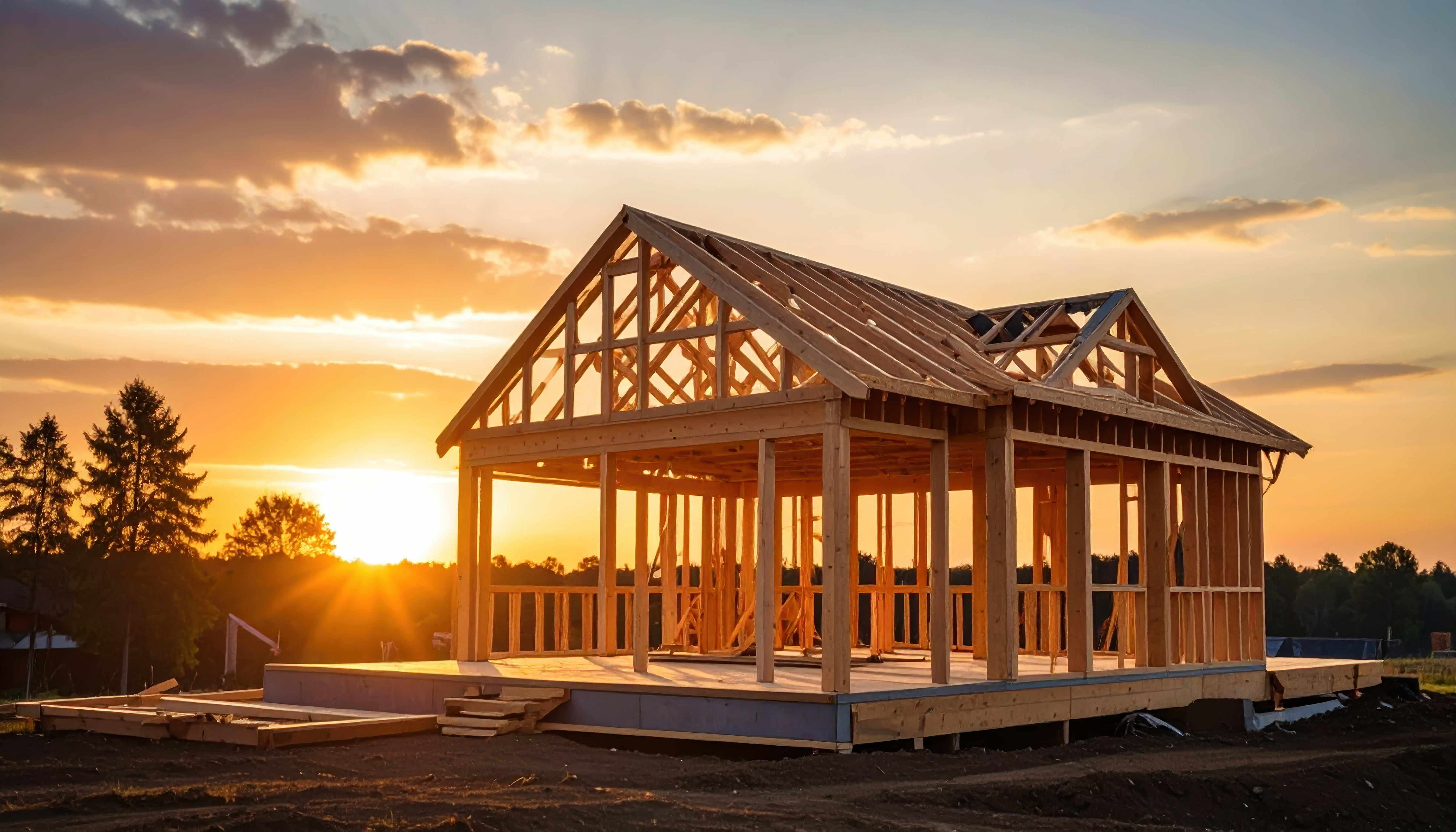


Congress has enacted the most significant federal housing legislation in decades, known as the 21st Century ROAD to Housing Act. The new law is designed to address one of America's biggest challenges: the shortage of available housing and the rising cost of homeownership. After nearly two years of bipartisan work and advocacy from the National Association of REALTORS®, the legislation is now law.
If you live in Eaton, Ingham, or Clinton County, you may be wondering: 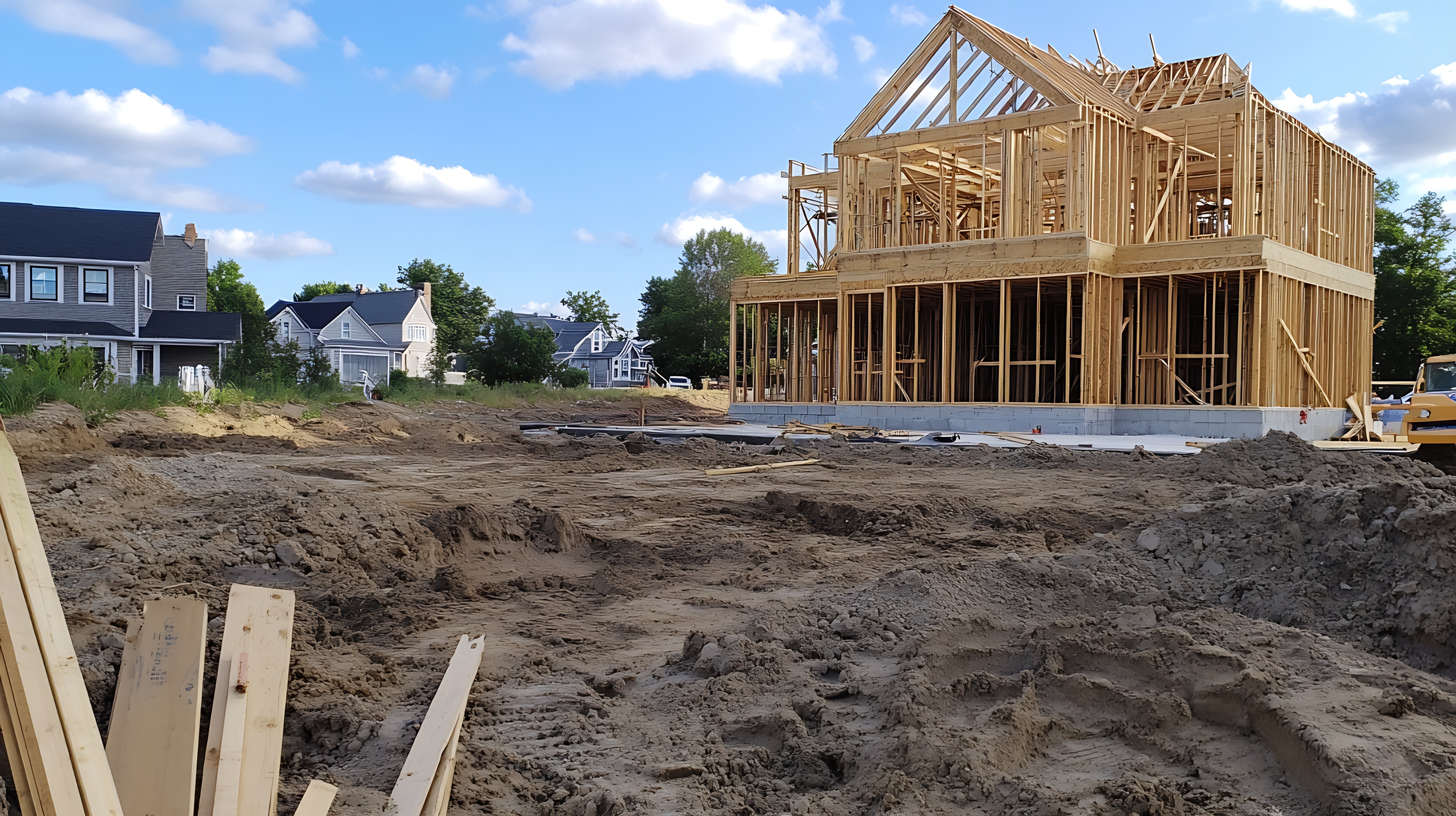
- Will this lower home prices?
- Will mortgage rates come down?
- Will more homes be built?
- Should I buy or sell now?
Let's take a closer look at what this means for Greater Lansing.
Why This Law Matters
For years, the United States has simply not built enough housing to keep up with demand. That shortage has contributed to:
- Rising home prices
- Limited inventory
- Increased competition
- Affordability challenges for first-time buyers
The new law aims to improve affordability primarily by increasing the nation's housing supply—not by reducing existing home values.
Five Key Changes Consumers Should Know
1. Encouraging More Housing Construction
The law provides tools intended to reduce regulatory barriers and encourage communities to build more homes.
Greater Lansing Perspective
Additional housing options would benefit communities like: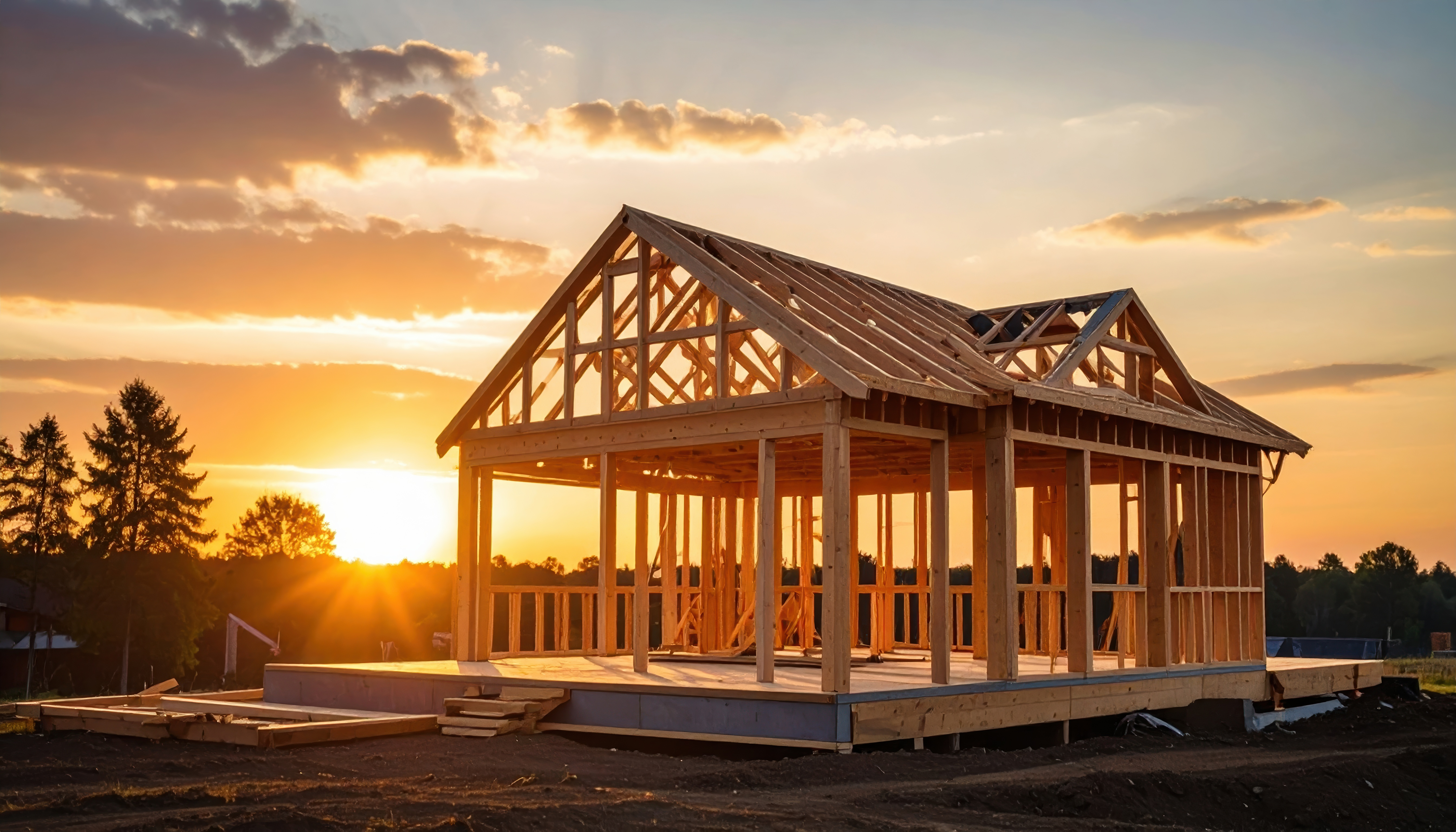
- Delta Township
- Grand Ledge
- DeWitt
- Haslett
- Okemos
- Holt
- East Lansing
And other surrounding communities, where demand has remained strong.
2. Improving Housing Affordability
The goal isn't to make today's homes worth less.
Instead, policymakers hope that increasing housing supply over time will help moderate future price growth and improve affordability.
3. Supporting First-Time Buyers
Several provisions are designed to expand access to homeownership and improve financing opportunities, particularly for entry-level buyers.
4. Strengthening Housing Finance
The legislation modernizes aspects of housing finance and expands opportunities for manufactured and rural housing.
5. Supporting Veterans and Communities
The law includes provisions benefiting veterans and provides additional tools for communities working to address local housing needs.
What This Means for Greater Lansing
Here's the important part.
This new law will not immediately change our local market.
Right now, Greater Lansing continues to experience:
- Limited inventory in many price ranges
- Strong demand for well-priced homes
- Continued interest from move-up buyers
- Ongoing opportunities for sellers who prepare and price their homes correctly
Over time, however, policies that encourage additional housing construction could create a healthier, more balanced housing market for everyone.
What Buyers Should Do
Don't wait expecting home prices to suddenly fall because of this legislation.
Instead:
- Get pre-approved.
- Understand your budget.
- Watch local inventory—not just national headlines.
- Be prepared when the right home becomes available.
What Sellers Should Know
Current homeowners should remember:
This legislation does not eliminate today's seller opportunities.
Well-prepared homes continue to attract strong interest throughout much of the Greater Lansing area.
Pricing, presentation, and marketing remain the keys to success.
Frequently Asked Questions
Will mortgage rates drop because of this law?
No. Mortgage rates are influenced by broader economic conditions and Federal Reserve policy rather than this legislation.
Will home prices fall?
Not likely in the short term. The goal is to improve long-term affordability by increasing housing supply.
Does this affect Michigan homeowners?
Yes. While implementation will take time, Michigan communities may benefit from expanded housing opportunities and financing options.
Is now still a good time to buy?
That depends on your personal goals, finances, and the local market. National legislation is only one factor in the decision.
Frequently Asked Questions About the New Housing Law and Life Transitions
Will this new housing law affect seniors who are thinking about downsizing?
Possibly—but not immediately. The law is intended to encourage the construction of more housing over time, including housing types that may appeal to older adults. For seniors planning to downsize in the Greater Lansing area, the best approach is still to begin planning early and understand today's local market rather than waiting for future changes.
Will there be more housing choices for retirees?
That is one of the long-term goals. By encouraging additional housing development, communities may eventually see more condominiums, ranch-style homes, townhomes, and age-friendly housing options. The timing and type of development will vary by community.
Should I delay selling my home because of this new law?
For most homeowners, probably not. Your decision should be based on your personal circumstances, financial goals, and local market conditions—not on the expectation that this legislation will quickly change home values or inventory.
I'm helping my parents downsize. Does this law change our planning?
Not significantly in the short term. Families should continue focusing on creating a thoughtful transition plan that addresses housing, finances, healthcare needs, and timing. Beginning the conversation early often leads to more choices and less stress.
Could this help families settling an estate?
Indirectly, yes. If the law succeeds in increasing housing supply over the coming years, it may create a healthier and more balanced housing market. However, families managing an estate should make decisions based on current local market conditions and the goals of the estate rather than future policy changes.
Will this create more independent living or senior housing communities?
The legislation itself doesn't build senior communities, but by encouraging housing development and reducing some barriers, it may support future projects that expand housing choices for older adults. Local demand, developers, and community planning will ultimately determine what is built.
Does this change how I should prepare my home for sale?
No. The fundamentals remain the same. Homes that are clean, well-maintained, properly priced, and professionally marketed continue to attract the strongest buyer interest. Good preparation is still one of the best ways to maximize your results.
I'm planning to move within the next one to three years. What should I do now?
This is an excellent time to begin planning. Whether you're downsizing, relocating, or preparing for retirement, starting early gives you more flexibility and reduces the pressure of making decisions on a tight timeline. A personalized transition plan can help you move with confidence when the time is right.
What This Means for Life Transitions in Greater Lansing
While much of the national discussion focuses on affordability and housing supply, many of my clients are facing a different question—not whether they can buy a home, but how to navigate a major life transition.
I regularly work with homeowners who are downsizing after decades in the same home, helping aging parents move closer to family, settling an estate, planning for retirement, or relocating after a significant life event.
This new housing law may improve housing opportunities over time, but successful transitions still begin with thoughtful planning. Every situation is unique, and understanding today's local market is just one part of building a plan that fits your family's goals.
Whether you're considering a move next month or several years from now, taking time to understand your options today can make tomorrow's decisions much easier.
My Thoughts
After more than four decades helping Greater Lansing families buy and sell homes, I've learned that national headlines matter—but local knowledge matters even more.
The new housing law is an important step toward addressing America's housing shortage. While its full impact will take years to unfold, the best real estate decisions are still made by understanding what's happening right here in our local communities.
If you're considering buying, selling, downsizing, or planning your next move, I'd be happy to help you understand how today's market—and tomorrow's changes—may affect your goals.
Credit
This Blog Post is based in part on reporting and advocacy updates from the National Association of REALTORS® regarding the 21st Century ROAD to Housing Act. For more details about the legislation, visit the original NAR article.
Mike Bowler SRES, CRB, ePRO
eXp Realty LLC
517-755-8168
6639 Centurion Dr. Lansing, MI
Mike@MikeBowler.com
Website: MikeBowler.com
Visit My YouTube Channel
https://bit.ly/eXpRealtyMikeBowler
Founder | Greater Lansing Home Transition Resource Center