


By Mike Bowler, Associate Broker, eXp Realty LLC | SRES®, CRB®, ePRO®, GRI
After more than 40 years in Greater Lansing real estate, I have helped people navigate many kinds of moves. But going through downsizing with my wife, Sharon, gave me a perspective that professional experience alone could not provide.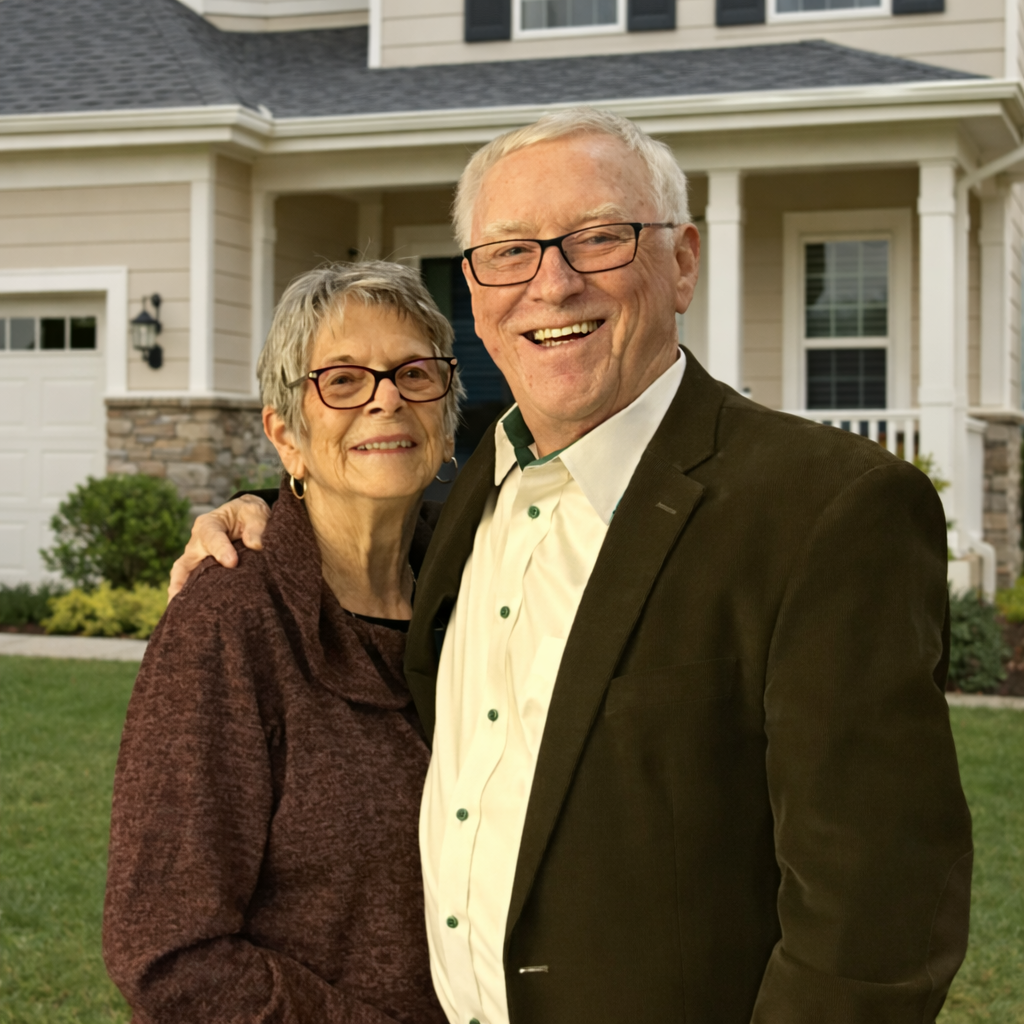
It is one thing to help someone prepare a home for sale. It is another to stand in your own basement, look at years of belongings, and decide what will fit into the next chapter of your life.
I recently joined Dr. Deborah Moerland, owner of FirstLight Home Care of Greater Lansing and Brighton, for a conversation on Senior Care Insights. We talked about downsizing, remaining at home, planning ahead, and helping older adults make housing decisions with patience and respect.
That conversation brought me back to several lessons from our own move—lessons that continue to shape how I work with homeowners and their families.
Watch Our Conversation on Senior Care Insights
Whether you are considering a move yourself or helping a parent explore the possibilities, I hope our conversation gives you a comfortable place to begin.
A Smaller Home Means Decisions About a Lifetime of Belongings
When Sharon and I began downsizing, we had plenty to work through. The basement, shed, furniture, keepsakes, and seasonal decorations all required decisions.
Some things were useful. Some held memories. Others were simply things we had kept because we had room for them.
Then came a familiar discovery: something that matters to a parent may not be something the children or grandchildren want—or have space to take.
That does not make the item less meaningful. It does mean that passing everything along to family may not be the complete plan.
Our experience reinforced the value of starting with manageable decisions. Identify what you use, what you truly want to keep, and what might find a new purpose through a gift, donation, or sale. You do not have to make every decision in one weekend.
Making Room for What Matters Is Part of Downsizing
Sharon enjoys decorating for Thanksgiving, Christmas, spring, and other occasions. Those decorations were part of what we wanted to make room for in our next home.
Moving into a home without a basement meant we needed to think differently about storage. I added shelving in the garage to accommodate seasonal items.
That experience reminded me that downsizing should account for the activities and traditions people want to continue.
Before choosing a smaller home, think beyond the number of bedrooms. Where will you store holiday decorations? Is there space for a hobby? What furniture do you use every day? What would make the new home feel like yours?
The goal is a home that supports the way you want to live, including the things that bring you enjoyment.
Look at How a Home Works for Everyday Life
Our move also made me think more carefully about the practical side of a home's layout. We chose a home without stairs or a basement, and I discussed the value of features such as a walk-in shower during the interview.
Those details can become central to a housing decision.
When I talk with homeowners, I encourage them to consider how their current home works for them today. Are stairs becoming inconvenient? Is upkeep taking more energy than they want to spend? Are parts of the house rarely used? What changes would make daily life easier?
The answers may point toward a different home. They may also lead someone to explore improvements or additional support while remaining where they are.
My role is to help people understand the real estate choices and connect them with appropriate professionals when questions involve care, home accessibility, or legal matters.
Planning Early Gives You Time to Work Through the Details
In the interview, I shared that beginning one to two years ahead can be helpful when circumstances allow.
That is not a deadline every homeowner needs to follow. It is an opportunity to begin gathering information before a move becomes urgent.
You can start by sorting one storage area, learning about housing options, discussing your home's value, or deciding which belongings you would want to take with you. None of those steps requires you to list your home immediately.
Sharon and I had plenty of decisions to make about our belongings. Having time to work through those decisions matters.
If a health change or another unexpected event means a move must happen sooner, the plan needs to fit those circumstances. Even then, people deserve clear explanations, thoughtful choices, and as much participation as possible.
Personal Experience Helps Me Listen More Carefully
When someone hesitates over a piece of furniture or a box of keepsakes, I understand that the decision may carry more weight than it appears to from the outside.
A longtime home holds routines, family history, and memories. Preparing to leave it can bring excitement, uncertainty, sadness, or several feelings at once.
Having been through downsizing myself, I bring that understanding to conversations with clients. I want to learn what matters to them, what they hope will become easier, and what concerns they need to work through.
If your family is beginning those discussions, my companion article, Talking With Family About Downsizing or Moving, offers guidance for approaching the conversation with respect.
The Best Senior Move Is Not the Fastest One
Near the end of my conversation with Dr. Moerland, I said:
“The best senior move is not the fastest one.”
For me, that means giving people the attention, information, and patience their circumstances require.
Sometimes the next step is preparing a home for sale. Sometimes it is exploring a smaller home or a senior living community. Sometimes it is learning what would make remaining at home more workable.
A thoughtful conversation can help clarify which direction deserves a closer look.
Start With Your Goals
If you are considering downsizing in Greater Lansing, begin with a simple question: What would you like everyday life to look like over the next few years?
You do not need to have every answer before reaching out. We can talk about your current home, the options you want to explore, and a timeline that fits your situation.
As an Associate Broker with eXp Realty LLC and a Seniors Real Estate Specialist® (SRES®), I help homeowners and families work through the real estate side of these transitions with practical guidance and personal care.
Explore my Helping Aging Parents Move resources or visit MikeBowler.com to connect with me.
Thank you to Dr. Deborah Moerland for inviting me to join Senior Care Insights and for making room for these important conversations.
Mike Bowler | Associate Broker | eXp Realty LLC
SRES®, CRB®, ePRO®, GRI
Expect The Best.